I have always been drawn to the baggy clothing style, but not because it is trendy. There is something about a generous sleeve, a wide leg, or a dropped shoulder that feels like permission to breathe. Getting it right takes more than grabbing a bigger size, though. The baggy clothing style asks for a little thought about fabric, proportion, and how the piece interacts with the rest of your closet.
What Makes Baggy Clothing Style Work in Real Life
The best baggy pieces are not just big — they are deliberately shaped. A pair of Uniqlo wide-leg trousers in a heavy cotton twill falls differently than a cheap, flimsy pair. The weight of the fabric gives the silhouette structure instead of looking like a hand-me-down. I have a vintage Levi's denim jacket from the 90s that is two sizes too big, but the stiff denim holds its shape so the oversize feels intentional. That is the key: the baggy clothing style works when the fabric has enough body to keep its own line.

I also think about proportion. If I wear a baggy top, I reach for something more fitted on the bottom, even if that just means rolling the cuffs on my jeans so there is a visual break. One of my favorite outfits this spring is a loose linen button-down from Madewell with a pair of slim cropped trousers and simple leather sandals. The contrast makes the loose pieces look chosen, not accidental. That is the quiet magic of the baggy clothing style — it asks every other piece in the outfit to earn its place.
How to Keep Baggy Clothing Style from Looking Sloppy
Sloppiness creeps in when the fit is off in the wrong places. A shirt that is baggy in the chest but tight in the shoulders never looks relaxed, it just looks wrong. I pay attention to the shoulder seam: if it falls past my natural shoulder by more than an inch or two, I need to check whether the fabric drapes well or just hangs. A good thrift find — like a men's cashmere sweater a size too big — can be beautiful if the sleeves are not drowning your hands. A quick roll or a tailor can fix the length.
Another trick is to anchor the outfit. A pair of sturdy boots or a structured bag brings the whole look back to earth. I rarely wear baggy clothing with flimsy shoes; it feels unbalanced. Instead, I pair wide-leg pants with a chunky loafer or a low-top sneaker. The goal is to look like you meant it, not like you just threw on whatever was on the floor. The baggy clothing style requires a little more attention to finish, but once you get the balance, it feels effortless.
My Favorite Baggy Clothing Style Pieces Right Now
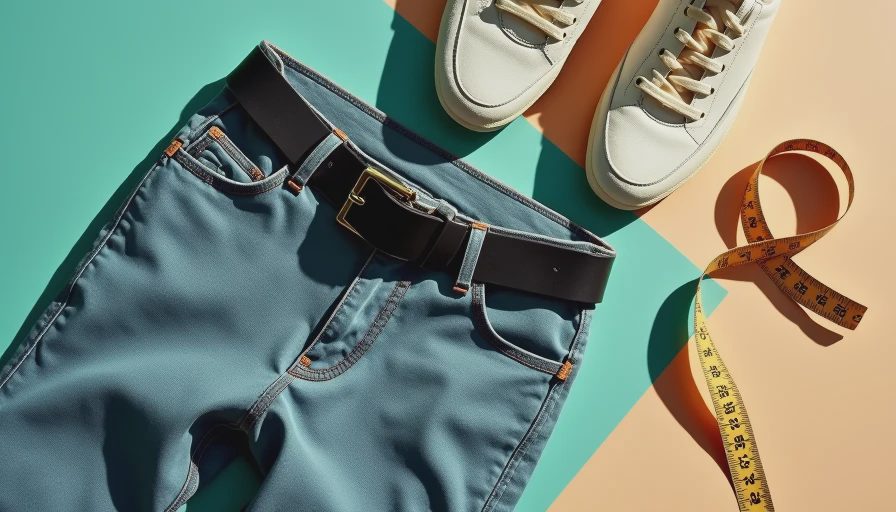
I keep a running list of pieces that earn their keep. A pair of thrifted Carhartt double-front work pants — seriously baggy in the leg but cinched at the waist — has become my uniform for weekend errands. A Uniqlo airism cotton oversized tee in oatmeal works under everything. And I recently found a vintage Pendleton wool shirt at a consignment shop for $30 that is easily my best buy of the year. It is roomy enough to layer over a turtleneck, and the heavy wool holds such a good shape that it never feels sloppy. These are the kinds of finds that make the baggy clothing style a joy rather than a chore.
The Difference Between Baggy and Oversized
People use these words interchangeably, but I think there is a meaningful difference. Oversized means a garment is scaled up — every dimension is bigger, but the shape stays the same. Baggy, at least the way I wear it, means there is deliberate ease in specific areas: a dropped shoulder, a wide leg, a deep armhole. A truly baggy piece has a sense of intention in its cut. That is why an old boyfriend's hoodie can feel either cozy or sloppy depending on how it is made. The baggy clothing style is not about hiding in fabric; it is about enjoying space. I want clothes that move with me, not just swallow me.
A Quick Checklist for Shopping Baggy Clothes
When I shop for baggy pieces, I run through a short mental checklist. First, I touch the fabric. If it is thin or flimsy, it will not hold the shape I want. Second, I check the shoulder seam. It should fall past my natural shoulder but not so far that the armhole gapes. Third, I look at the length. A baggy top should not be so long that it swallows my waist entirely unless that is the specific look. Fourth, I move in it. I stretch my arms forward, sit down, and walk a few steps. If the garment fights my movement, it is not baggy — it is just too big. Finally, I think about what I already own. Does this piece work with at least three outfits in my closet? If not, it probably will not get worn. These small checks save me from buying clothes that look good on the rack but never feel right.
I do not think everyone needs to love baggy clothes. But if you have ever felt cramped by a too-tight sleeve or a clinging hem, the baggy clothing style offers a different kind of comfort. It is not about following a trend — it is about finding shapes that let you breathe, move, and still feel like yourself. If it only looks good online, it is not staying. But when a baggy piece works, it earns a permanent spot in your closet.

No comments yet — be the first to share a thought.