If you've ever stared into a full closet feeling like you have nothing to wear, you're not alone. The question of how to find my clothing style isn't about buying more — it's about understanding what already works for the life you actually live. I've spent years in apparel e-commerce, watching beautiful clothes fail in real wardrobes, and I believe the answer lies in slowing down and paying attention to what you reach for again and again.
Why This Question Matters
Most style advice tells you to follow trends or copy influencers. But real style isn't about looking like someone else — it's about feeling like yourself. When you know how to find my clothing style, you stop second-guessing purchases and start building a wardrobe that actually gets worn. You save money, reduce decision fatigue, and develop a look that feels grounded. The process takes thought, not a big budget.
Start with What You Already Own
Pull out the clothes you wear most often — the ones that survive laundry day after laundry day. Lay them on your bed and ask: What do these pieces have in common? Maybe they're all soft fabrics, or maybe they share a certain silhouette like high-waisted pants and cropped sweaters. This is your style DNA. For me, it was soft cotton, vintage Levi's jeans, and loafers that slip on easily. Identifying these patterns is a crucial step in how to find my clothing style because you're not starting from scratch.

Understand Your Lifestyle
A style that works on Instagram might fail in real life. Your wardrobe should match your actual days — not your fantasy self. If you work from home, you need comfortable layers, not blazers. If you run errands with kids, prioritize washable fabrics and easy movement. I keep a wardrobe journal where I jot down what activities fill my week. It helps me avoid buying beautiful but impractical pieces. This realistic assessment is a central part of how to find my clothing style because it filters out what doesn't serve you.
Find Visual Clues That Feel Right
Look beyond fashion blogs. Pull inspiration from films, old photographs, interiors, or even a favorite painting. Notice what draws your eye — is it color, texture, shape? I love the quiet elegance of 1970s French films: soft collars, relaxed trousers, and scarves tied loosely. These references give you a direction without being prescriptive. When you're wondering how to find my clothing style, curating a mood board from non-fashion sources often reveals deeper preferences than scrolling through trendy outfit grids.
Edit, Don't Just Add
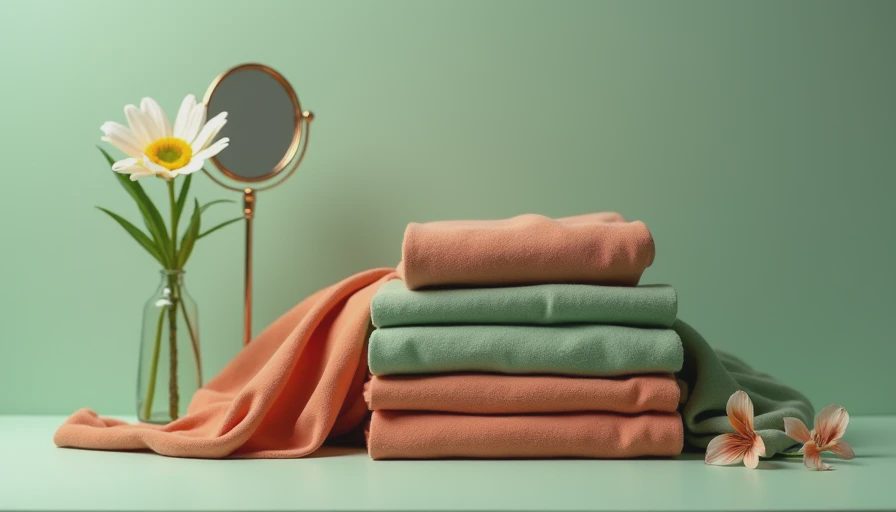
Most people think building a style means shopping. But editing your closet is equally important. Remove anything that doesn't fit well, has worn out, or makes you feel off. Be honest — if you haven't worn it in a year, it's not part of your style. I keep a box for donations and let go of pieces that photograph better than they wear. This clearing creates space for your real taste to emerge. Editing is a key practice in how to find my clothing style because it removes noise.
Make It Stick Over Time
Once you have a clearer sense of what you love, maintain it with small habits. Write down why you keep certain pieces. Buy secondhand first to test new shapes without a big investment. Wear new items around the house before committing to keep them. Over time, your closet becomes a reflection of your judgment, not your impulse. That's the real goal of learning how to find my clothing style: not a one-time discovery, but an ongoing conversation with yourself about what works.
Finding your clothing style isn't about having a perfect wardrobe overnight. It's about paying attention, being honest, and wearing what makes you feel like you. Start with what you have, and let the rest follow.
Common Mistakes That Derail Style Discovery
Even with a clear process, it's easy to fall into traps that slow down the journey. One common mistake is buying an entire new wardrobe at once. You might watch a transformation video and feel the urge to replace everything. That often leads to regret. Instead, test one new piece at a time. Wear it for a week. If it feels right, add another. Another pitfall is ignoring fit. A beautiful jacket that is two sizes too big never looks intentional — it looks borrowed. Spend the money on tailoring instead of more clothes. A simple hem or waist tuck can transform a thrifted find into a star piece.
A third mistake is chasing a single aesthetic label like "minimalist" or "boho" without considering your own habits. Labels are shortcuts that don't capture nuance. You might love the idea of a minimalist capsule wardrobe but realize you crave color and pattern. That's fine. Your style is a mix. Finally, many people overlook the power of accessories. A structured belt, a good bag, or a pair of worn-in boots can define a look more than the clothes themselves. These details add personality without requiring a full overhaul.
Social media can pressure you to buy before you're ready. Unfollow accounts that make you feel inadequate and follow ones that spark curiosity instead. I once spent $300 on a dress that looked great on a mannequin but never left my closet because the fabric wrinkled instantly. That taught me to check care labels before buying. Take your time. Real style development happens over months, not hours. Avoiding these mistakes saves you time, money, and closet space.


No comments yet — be the first to share a thought.