I’ve spent a lot of time handling clothes labeled with names you know. In my years working in apparel e-commerce, I helped brands polish the story around their products — the kind of lighting, copy, and styling that makes something look like it belongs on your wishlist. But once those same pieces land on a real body, in a real closet, the story often changes. That’s why I want to talk about known brands clothing and how to tell which labels actually earn their place past a single season.
The phrase "known brands" can mean many things. Some women gravitate toward them for reassurance. There’s comfort in buying from a name you’ve seen before. But over time, I’ve learned that a familiar label isn’t a shortcut to quality. It’s just the beginning of a more honest conversation about what you’re actually getting.
The Difference Between Reputation and Daily Use
Take a crisp white blazer from a popular contemporary brand. In the product images, it looks razor-sharp. The fabric has a subtle texture. The cut skims the model’s frame. But in real life, that same blazer might wrinkle within ten minutes of sitting. The lining catches on your watch. The fabric is a blend that doesn’t breathe well. I’ve seen this happen with brands that spend heavily on visual presentation — the photos tell one story, but the wear tells another.
On the other hand, there are known brands clothing items that become staples because they deliver on the promise. I have a pair of straight-leg jeans from Levi’s that I’ve owned for four years. They didn’t look revolutionary on the rack, but the weight of the denim and the rise are exactly right for my frame. The brand name is familiar, but it’s the construction that keeps them in rotation.

Another example: a merino wool sweater from NAADAM. The label is known enough, but what matters is the 100% Mongolian cashmere — not a blend with synthetics that pills after two washes. I compare this to a sweater I bought from a highly photographed direct-to-consumer brand that felt soft in the package but went fuzzy within weeks. The known brand isn’t automatically the better choice; it’s the specific garment’s composition that determines longevity.
How to Judge Known Brands Clothing Before You Buy
I have a simple system when I’m shopping, whether in a store or online. First, I ignore the styling. I look at the product shots on the model and I mentally remove the accessories, the perfect lighting, the airy backdrop. I ask: Would this piece still look good on me at 3 PM on a Tuesday? If the answer isn’t an immediate yes, I’m skeptical.
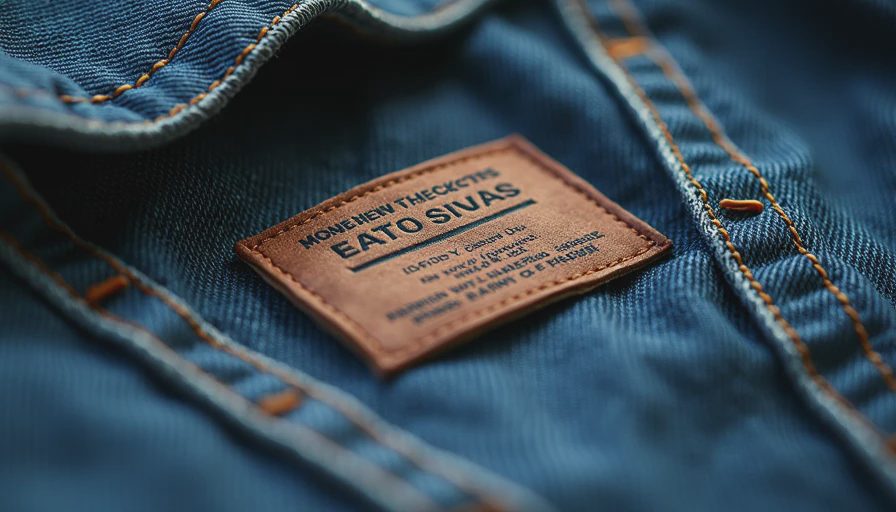
Second, I read reviews carefully. I’m not looking for five-star ratings about the color. I’m hunting for comments about pilling, shrinking, or how the fit changes after a few wears. A known brand’s dress might have a high average rating, but if even two reviews mention that the zipper snagged within a month, I reconsider. I once bought a linen shirt from a major mall brand — let’s call it J.Crew — because I trusted the name. But the linen was paper-thin and tore at the shoulder seam after three wears. The brand name didn’t protect me from poor quality control.
Third, I touch the fabric. If I’m in the store, I hold it up to the light. I stretch a seam gently. If I’m online, I look for the fabric content breakdown. Cotton with a little elastane? Fine. 100% polyester disguised as a silk alternative? Hard pass. Known brands clothing often uses synthetic blends to keep prices low, but those fabrics don’t breathe or hold shape the way natural fibers do.
When a Known Brand Is Actually Worth the Money
Not all known brands clothing is a trap. Some brands have earned their reputation by consistently making things that work. I think of a pair of ankle boots from Everlane — the leather stays soft, the sole lasts through a full season of city walking. The price point felt high initially, but the cost per wear is lower than any five pairs of fast-fashion boots I’ve owned.
Another keeper: a wool coat from Aritzia. The label is well-known, but more importantly, the coat’s construction includes a lining that doesn’t slip, buttons that stay put, and a warmth-to-weight ratio that makes it easy to wear from November through March. I’ve had mine for five winters. The brand name is secondary to the fact that the coat performs.
And sometimes, a less glamorous known brand wins. I have a cotton twill skirt from Lands’ End that I bought secondhand for $12. It’s nearly indestructible. The brand is known primarily for catalog staples, not fashion relevance, but that skirt gets more compliments than anything from my more trendy purchases. The point is: a known name can signal reliability, but only if the specific product actually meets the standards the brand claims.
What I’ve Learned About Keeping Clothes
After all my years in fashion and writing about style, the biggest lesson is this: a known brand’s label doesn’t tell you whether a piece will last. It tells you that someone invested in making that name recognizable. Real wearability comes from the cut, the fabric, and how the garment moves with you. I try to dress for the life I actually have, not for the fantasy a brand’s marketing team built. When I shop for known brands clothing, I hold the garment to my own standards.
If it only looks good online, it’s not staying. That’s my rule. And when it comes to known brands clothing, I’ve learned to look beyond the name and judge the thing itself. The name might get your attention, but the garment has to earn the space in your closet.


No comments yet — be the first to share a thought.