I used to think that understanding different types of clothing styles meant memorizing a list of names and rules. Classic, bohemian, minimal, edgy, romantic—like personality quiz results you're supposed to adhere to. But after years in e-commerce and even more years just living in my clothes, I've come to see it differently. The real value of knowing different types of clothing styles isn't about labeling yourself for Instagram bios. It's about recognizing what makes a piece feel at home in your actual life, not just in photos.
Why Understanding Different Types of Clothing Styles Helps You Buy Better
The biggest mistake I see in online shopping is buying a piece that looks beautiful in a flat-lay photo but has no connection to how you spend your days. When you understand the broad categories of style—not as rigid boxes but as loose families of visual language—you start noticing patterns in what you reach for repeatedly. For example, if you're drawn to clean lines and neutral layers, you're in the relaxed classic family. If textures, pattern mixing, and a sense of gathered softness appeal to you, modern romantic might be home base. Knowing this doesn't limit you; it gives you a filter.
I keep a running list in my wardrobe journal of the items that have lasted beyond a single season. Over and over, they fall into three or four recurring style families. That awareness has saved me from dozens of pretty-but-pointless purchases. The goal isn't to fit one box perfectly. The goal is to recognize when a piece aligns with the style language that already works for you—and when it's just a pretty distraction.

A Few Key Styles I See Working Well in Real Wardrobes
I want to share a handful of style families that I see delivering consistently for the women I talk to and, honestly, for myself. These aren't exhaustive, and they overlap. But they reflect how people actually dress when they're not trying to impress a camera.
Relaxed Classic. This is the style that looks put-together without trying too hard. It leans on well-fitting jeans, cotton button-ups, cable-knit sweaters, trench coats, and loafers. Colors stay neutral—olive, navy, cream, tan. The magic is in proportion and fabric weight. A relaxed classic piece feels good on the body and moves with you. It's not stiff or precious. I have a pair of 100% cotton chinos from three years ago that I still reach for twice a week. They're not trendy, but they make getting dressed feel easy.
Modern Romantic. This style uses softness without being sweet. Think silk blouses with a slight drape, A-line midi skirts in washed cotton, linen dresses with puff sleeves, and cardigans in heathered pastels. The key is texture and a little bit of volume somewhere—not acres of ruffles. I own a deep burgundy cashmere-blend cardigan that pairs just as well with jeans as it does over a slip dress. It reads romantic but grounded. That's the sweet spot.
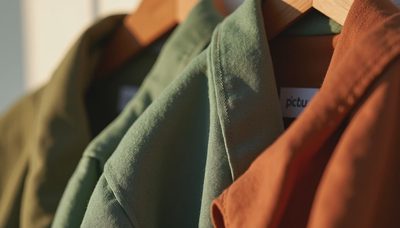
Utilitarian Refined. Inspired by workwear and outdoors gear, this style is about function, pockets, and durable fabrics. Twill trousers, chore jackets, field boots, and canvas totes. But the refined part means the fit is intentional, not baggy-for-the-sake-of-it. I have a waxed cotton jacket that has been through three Midwest winters and still looks purposeful. It doesn't look like costume—it looks like I have places to go.
Vintage-Inspired. This is not full costume Victorian. It's borrowing details from past decades—a rounded collar, a wider-leg trouser, a mid-century silhouette—and wearing them in a present-tense way. The best vintage-inspired pieces feel like they've always been in your closet. A 1940s-style blouse with delicate pintucks, worn with jeans and a leather belt. That's the approach.
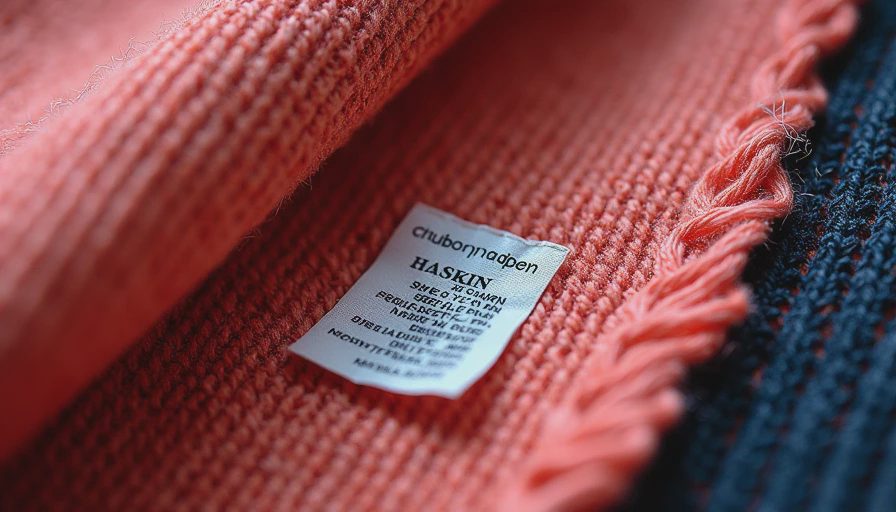
How to Spot Your Own Mix of Styles
The most useful thing I've learned is that most of us aren't one style. We're a blend—and the blend is personal. To find yours, I suggest a simple exercise. Go through the last two weeks of photos you've taken of yourself (or your mental memory of outfits you felt good in). Write down three words that describe each look. Don't use style names yet—use words like "soft," "sharp," "layered," "simple," "textured," "bright." After a few outfits, patterns emerge. You might see words like "relaxed" and "structured" together, which points toward relaxed classic with a touch of utilitarian. Or you might see "soft" and "warm" and "slightly draped," which leans modern romantic.
This is more honest than trying to declare yourself a label. It reflects the different types of clothing styles that actually serve you. Once you see the pattern, you can shop with more intention. When you see a piece online, ask: Does this belong in the family of things I naturally reach for? If the answer is no but it's very pretty, leave it on the screen.
The Style Trap I See Over and Over
The trap is treating style categories as a rulebook for buying more. A reader once told me she felt like she needed at least one item from each major trend to be "well-rounded." That's not style; that's collection anxiety. A good wardrobe doesn't need representation from every category. It needs pieces that talk to each other and to the life you actually lead. If the only different types of clothing styles that work for you are relaxed classic and utilitarian refined, that's not a limitation. That's clarity.
I try to dress for the life I actually have. That means acknowledging that I spend my days writing at a coffee shop, thrifting on Saturdays, walking the dog, and seeing friends for dinner. My wardrobe should reflect that—not a fantasy of gallery openings if I lived in a different city. When I buy something that belongs to a style family I already wear well, it integrates. When I buy something outside that family, it usually sits in the closet until I donate it.
Pretty is not the same thing as wearable. And wearable is what earns its place. So look at the different types of clothing styles as tools, not rules. Figure out the two or three that anchor your real-life outfits, and let the rest go. Your closet—and your morning—will thank you.


No comments yet — be the first to share a thought.