Why Labels Still Matter in Thrift Stores
People often say “ignore the label and just look at the piece.” I used to believe that too. But after years of editing apparel product pages and thrifting regularly, I’ve learned that certain labels consistently deliver better construction, fabrics, and real-life performance — even decades later on the secondhand rack.
Knowing which brands to hunt for first saves time and dramatically improves the quality of what comes home with me. It’s not about chasing status. It’s about recognizing reliable makers whose pieces have already proven they can last.
My Top Labels I Search For First
Here are the ones that make me slow down and look closer:
Classic American Heritage Brands
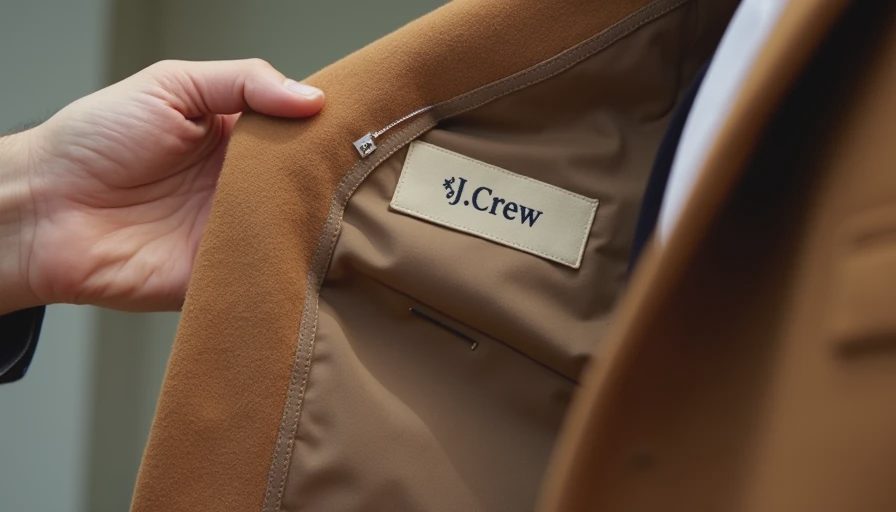
J. Crew (especially older pieces from the 2000s-2010s): Excellent wool blazers, sturdy chinos, and well-cut button-downs. Their wool and cotton quality was notably high during certain eras.
Banana Republic (pre-Gap fast fashion era): Beautiful Italian wool, substantial
cotton poplin shirts, and trousers with good structure.
Eddie Bauer and L.L. Bean: For durable outerwear, flannel shirts, and pieces built for real life.
Higher-End & Designer Names That Hold Up
Theory: Clean silhouettes, exceptional wool and crepe fabrics that drape beautifully and resist pilling.
Ann Taylor / Loft (premium lines): Surprisingly good construction on blazers and dresses during certain seasons.
Vintage Ralph Lauren: Polo, Black Label, or Purple Label when I’m lucky — incredible wool, leather, and oxford cloth that ages like fine wine.
European & Quiet Luxury Names
COS: Minimalist cuts with excellent fabric weight and modern tailoring.
Everlane (when I spot it): Honest construction and transparent materials that often feel better than their price point suggests.
Aritzia (certain lines like Babaton or Wilfred): Soft, substantial knits and tailored pieces that move well.
Special Mentions for Specific Categories
Vintage Levi’s or Gap for denim that has already broken in perfectly.
Merino wool pieces from Uniqlo or J. Crew — surprisingly durable after proper care.
Madewell for sturdy jeans and casual shirts that hold their shape.
What I’m Actually Looking For Beyond the Name
The label gets my attention, but it never gets the final say. I still do the full touch and construction test:
Fabric weight and hand-feel
Seam finishing and reinforcement
Lining quality (for blazers and jackets)
Button and zipper hardware
Overall condition and patina
A great label on a heavily worn or damaged piece is still a pass. A lesser-known brand with excellent construction might still come home with me.
How This Habit Changed My Thrift Game
I used to wander aimlessly and grab whatever looked cute. Now I move more strategically. I scan racks quickly for familiar labels, then slow down to evaluate properly. This means I leave with fewer items, but each one has a much higher chance of becoming a wardrobe staple.
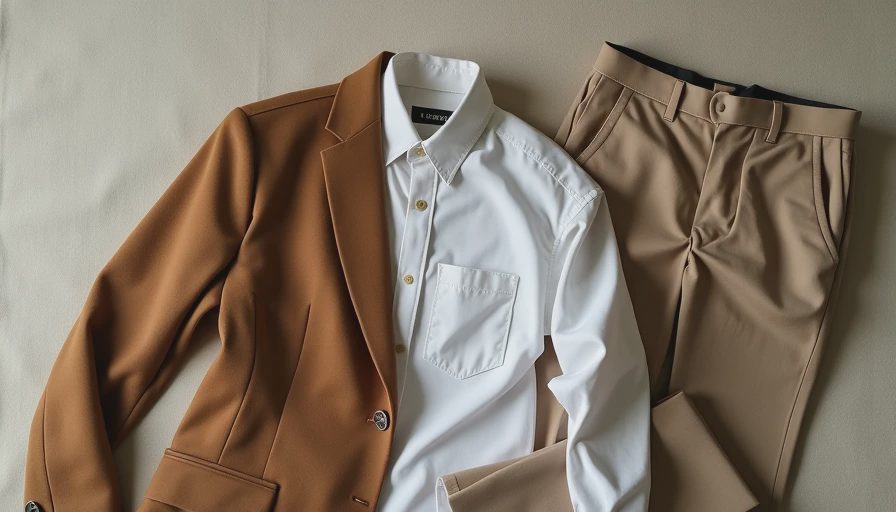
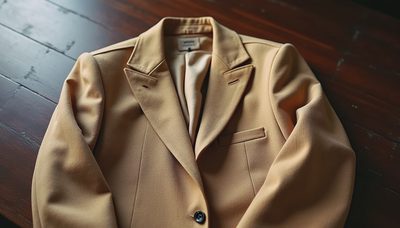
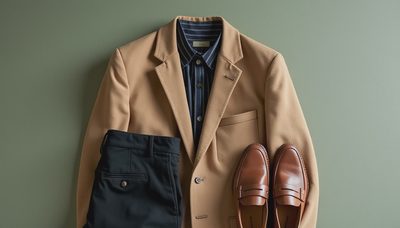
My camel wool blazer? J. Crew from the mid-2010s. The perfect white shirt that I almost donated? Older Banana Republic. These pieces have outlasted many trendier, lesser-quality finds.
The Reality Check on “Designer” Finds
Sometimes I’ll spot a high-end name and get excited — only to realize the piece is from a lower-quality diffusion line or heavily altered. The lesson: the label is a starting clue, not a guarantee. Always trust your hands and the five-point checks more than the tag.
Owen has started recognizing the names I mention when I come home. “Another Theory piece?” he’ll ask with a smile. He’s seen how these intentional finds reduce buyer’s remorse and closet clutter.
Building Your Own Label Knowledge
Start by paying attention to what you already own and love. Check the labels on your most-worn, best-performing pieces. Note the brands that consistently deliver. Over time you’ll develop your own personal shortlist based on your climate, style, and body.
Also, research a bit between thrift trips. Understanding when certain brands had stronger quality eras helps enormously.
The Bigger Thrift Philosophy
I’m not hunting for rare vintage designer scores to brag about. I’m looking for honest, well-made pieces that will serve me quietly for years. The labels I check first simply increase my odds of finding exactly that.
They help me practice discernment instead of impulse. Every good find reinforces the core belief: If it only looks good but doesn’t feel substantial and well-made, it’s not staying.
The best secondhand treasures often come from brands that once cared deeply about how clothes perform in real life. When you learn to recognize them quickly, thrifting becomes far more satisfying and productive.
Next time you’re digging through the racks, slow down at the labels I mentioned. You might be surprised how often they lead you to pieces worth keeping closer.
No comments yet — be the first to share a thought.