We're All Still Learning
After years of thrifting and building a wardrobe mostly from secondhand and thoughtful purchases, I thought I had it figured out. Then I realized I was still falling into the same traps — and watching other stylish women do the same.
These mistakes aren't about lack of taste. They come from excitement, habit, or subtle pressure to "score" something good. Recognizing them has dramatically improved the quality of what comes home with me.
Mistake 1: Buying for Potential Instead of Reality
This is by far the most common. You spot a beautiful blazer with great bones but sleeves that are too long, or a dress with perfect fabric but a hem that needs major work. You tell yourself "I'll just get it tailored" or "It'll fit better after I lose a few pounds."
Most of the time, those alterations never happen.
I used to do this constantly. Now my rule is strict: the piece must be ready (or need only very minor fixes like a button or quick hem) within 48 hours of coming home. If it requires real tailoring, dry cleaning costs higher than the item itself, or major size adjustments, I leave it for someone whose reality it already fits.
The clothes that earn their place are the ones that work for your body and life as they are today.
Mistake 2: Ignoring Fabric and Construction for "The Look"
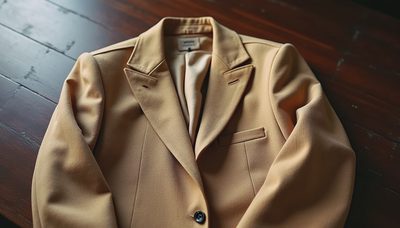
It's easy to fall in love with the silhouette or the vintage vibe and overlook how the piece will actually perform. That thin polyester "silk" blouse that looks amazing on the hanger but will cling, wrinkle, and feel awful after two hours. Or the blazer with beautiful lapels but cheap shoulder pads that have shifted and cheap lining that's already shredding.
I now force myself to do the full touch test before getting emotionally attached:
Bunch the fabric and release — does it recover?
Check the weight — does it feel substantial?
Look inside — are seams reinforced? Is the lining quality decent?
Try it on and move — does it fight you or work with you?
Stylish people still get seduced by the look. The difference is catching it before checkout.
Mistake 3: Bringing Home Things That Don't Mix With Your Existing Wardrobe
This one stings because it feels so innocent. You find something cute, it fits, the price is right… but it doesn't actually go with anything you already own and wear regularly.
I call these "lonely pieces." They hang in the closet waiting for the perfect mythical outfit that never materializes.
Before buying anything now, I do the mental (or literal) mix test: Can this work with at least three to five pieces I already reach for regularly? If not, it stays behind no matter how charming it is.
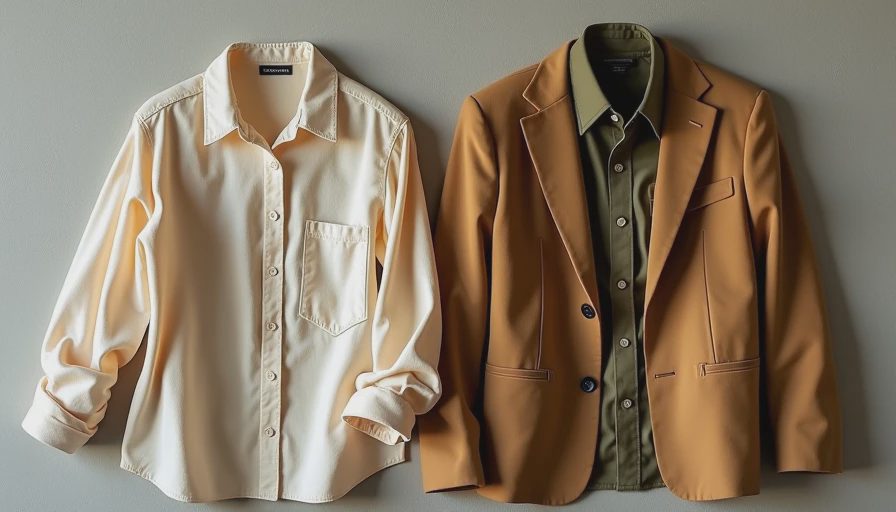
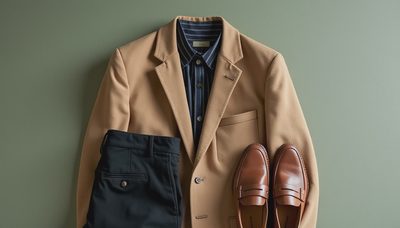
My camel blazer gets a pass because it works with jeans, dresses, trousers, white shirts, and knits. A random novelty print blouse usually doesn't.
How These Mistakes Show Up in Real Life
I recently almost bought a lovely deep green silk blouse. It was beautiful… but the fabric was too delicate for my actual days, it only really matched one skirt I rarely wear, and it needed dry cleaning. I put it back. Two weeks later I found a sturdy olive linen shirt that mixes with everything and requires zero special care. That one came home.
The difference in daily joy between these two decisions is enormous.
Better Habits That Replaced the Mistakes
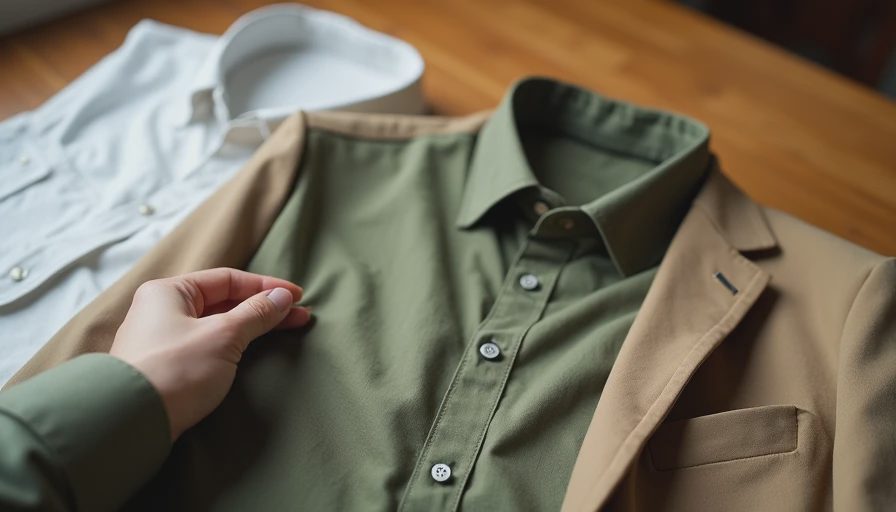
The 360-degree evaluation: Touch, try on in motion, check construction, test compatibility.
The "Three Wears" rule: I need to be confident I'll wear it at least three times in the first month.
The closet compatibility check: Physically hold the new piece next to core wardrobe items before buying.
One in, one out (sometimes): If my closet is feeling full, something has to leave before the new piece enters.
The Freedom on the Other Side
Avoiding these three mistakes means fewer regrets, less clutter, and a closet full of pieces I genuinely love and wear. Thrifting becomes more satisfying because I'm bringing home quiet winners instead of hopeful maybes.
Owen has noticed I come home from thrift trips in a better mood now — lighter bags and bigger smiles because I know what I brought home will actually be used and appreciated.
Your Turn
Next time you're in a thrift store, watch yourself for these three patterns. Catch them in the moment. The stylish woman isn't the one who brings home the most impressive-looking pieces. She's the one who brings home the pieces that quietly become part of her life.
If it only looks good in the store but won't work in real life with your real clothes and real body, it's not coming home. That single filter has changed my secondhand shopping more than anything else.
The best thrift finds aren't always the most exciting in the moment — but they're the ones that prove their worth over time. That's the kind worth keeping closer.
No comments yet — be the first to share a thought.