The Moment I Know It’s Special
I’m standing in the blazer section of a good thrift store. My hand brushes across a row of hangers and suddenly stops on one. Even before I pull it out, I know this might be a keeper. There’s a certain weight, a quiet structure, a subtle texture that says “I was made properly.”
This instinctive feeling has saved me from buying many pretty-but-disappointing blazers over the years. In my old job writing product copy, everything looked perfect in photos. In real life, especially with vintage and secondhand, the truth is in the hand-feel and construction long before it’s on your body.
The First Touch Test
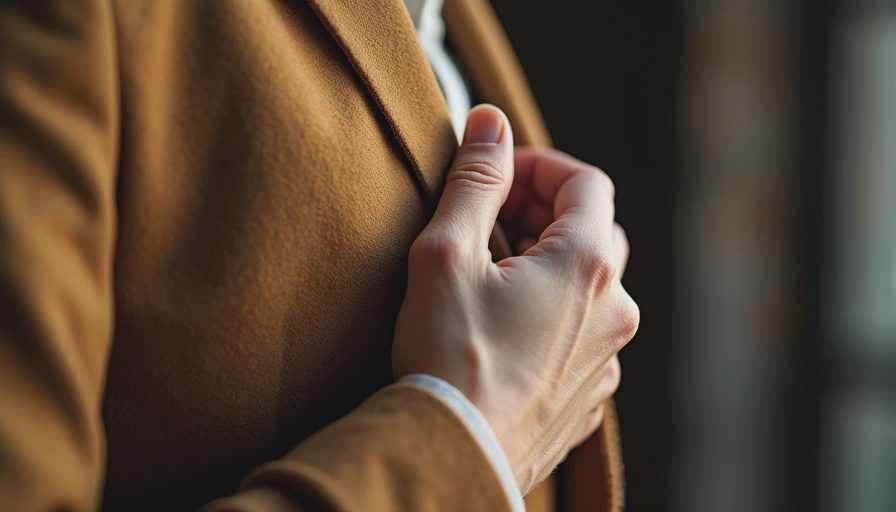
A good vintage blazer has noticeable weight and substance when you lift it off the rack. It doesn’t feel flimsy or overly light. There’s a quiet heft that comes from quality wool, good lining, and proper canvassing (the hidden structure inside the chest and lapels).
Run your hand across the fabric. Quality wool or wool blends feel smooth but have a natural “bite” or spring — not slippery or overly soft like cheap synthetics. I look for a bit of texture: subtle herringbone, soft flannel, or a fine houndstooth. These surfaces improve with wear and age beautifully.
Construction Details That Matter
Before I even try it on, I check these signs:
Shoulder structure: A good blazer holds its shoulder shape on the hanger. It shouldn’t collapse or look droopy. Well-made vintage ones often have some natural padding or canvassing that gives elegant structure without feeling stiff.
Lapels and collar: They should lie flat and smooth, with clean stitching. Gently fold the lapel — it should spring back with memory.
Lining quality: Pull the lining slightly. Good vintage pieces usually have silky, substantial lining (often with a slight sheen) that’s properly attached, not glued or cheaply sewn.
Seams and finishing: Look at the armhole and side seams. Are they clean and reinforced? Pattern matching at the shoulders or pockets is a strong green flag for higher quality.
These details separate the “cute vintage find” from the piece you’ll still reach for in five years.
Weight and Drape Clues
Hold the blazer by the shoulders and let it hang. A great one drapes with intention — structured enough to look sharp but soft enough to move naturally.
Too heavy and boxy? It might feel restrictive in daily life. Too lightweight and limp? It probably won’t hold its shape after a few wears. The sweet spot feels balanced and respectful of your body’s movement.
I gently scrunch a sleeve or the hem. Quality fabric recovers well and doesn’t hold deep wrinkles immediately. This predicts how it will behave after sitting through a long day or being packed in a bag.
The Smell and Overall Condition Check
A subtle, clean wool scent is normal for vintage pieces. Strong musty or chemical odors are usually deal-breakers unless I’m willing to invest in professional cleaning.
Look for even wear. Slight patina on the elbows or cuffs can be beautiful. Major stains, holes, or worn-out lining usually mean it will cost more to fix than it’s worth.
Why This Matters in Real Life
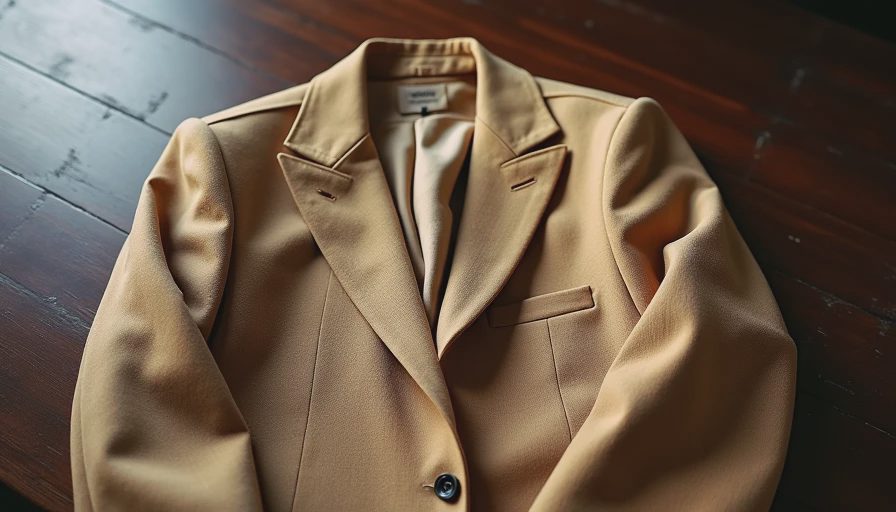
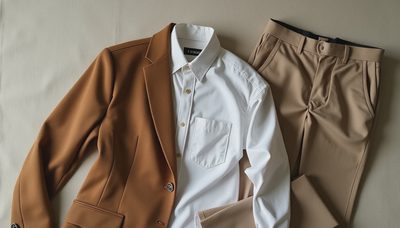
The blazers that pass these pre-try-on tests are the ones that become wardrobe heroes. My current favorite is a camel wool blazer from the 90s I found last season. I knew it was special the second I touched it — substantial but not heavy, beautiful notched lapels, perfect interior lining. It now pairs effortlessly with my white shirt, wide-leg jeans, knit skirts, and dresses.
It elevates a simple outfit in seconds and makes me feel quietly put-together whether I’m running errands or having coffee with a friend.
My Favorite Types of Vintage Blazers Right Now
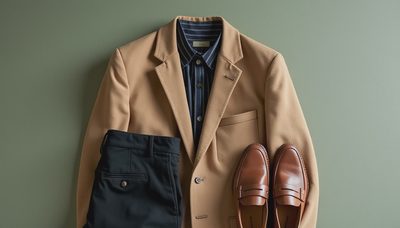
Camel or warm taupe wool blazers — incredibly versatile and timeless
Soft charcoal or navy with subtle texture — perfect for cooler months
Lightweight checked or herringbone — great transitional pieces for spring and fall
I prefer slightly oversized or relaxed fits that layer well rather than skin-tight modern cuts. The goal is ease and longevity.
Building Trust in Your Own Judgment
At first, these checks might feel slow. But with practice, your hands learn to read quality faster than your eyes. You’ll walk past racks of “okay” blazers and stop only when something feels right.
Owen has started noticing when I get that focused look in thrift stores. “Found another good one?” he’ll ask. Usually, yes — because I waited for the right feel before pulling it off the rack.
Take These Tests With You
Next time you’re thrifting, slow down in the blazer section. Close your eyes for a moment and just feel the fabric and weight. Let your hands help make the decision.
The best vintage blazers don’t just look good on the hanger — they feel like they already belong in a thoughtful wardrobe. They carry a kind of quiet confidence even before you wear them.
This approach has dramatically improved the quality of what comes home with me. Fewer pieces, but so much better. And every time I put on one of those carefully chosen blazers, I remember: if it only looks good but doesn’t feel right from the start, it’s probably not staying.
If it feels special before you even try it on, pay attention. That feeling is usually right.
No comments yet — be the first to share a thought.