The Thrift Store Trap I Know Too Well
I still remember coming home with six blouses, three pairs of pants, and a “vintage” dress that looked amazing under the store’s fluorescent lights. Two weeks later, only one item made it into regular rotation. The rest sat in a pile, slowly migrating to the donation bag.
Years of editing fashion product pages taught me how easily we fall for visual promise. Thrift stores multiply that problem — everything is cheap, the lighting is forgiving, and the thrill of the hunt makes “maybe” feel like “yes.”
That’s why I developed a short, strict set of rules. They help me leave with fewer bags but much better pieces. These aren’t trendy shopping hacks. They’re quiet judgment tools that protect both my closet and my wallet.
Rule 1: Touch Everything First
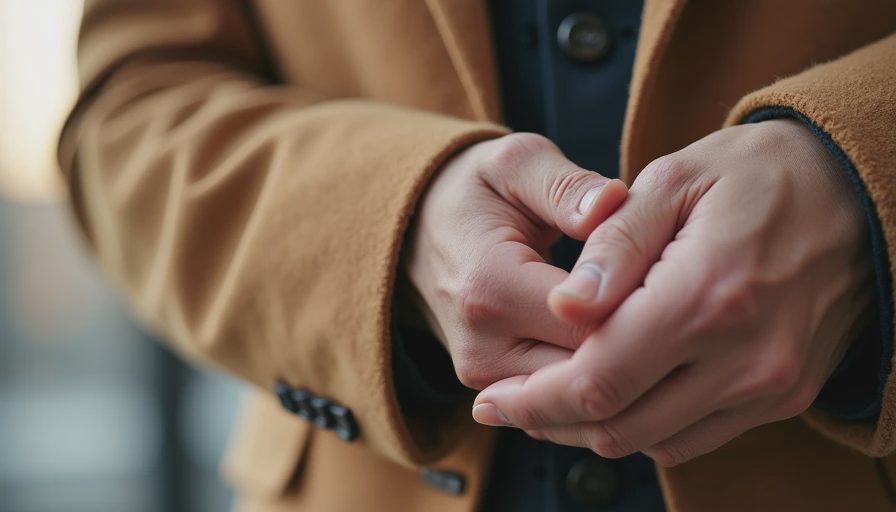
Fabric is everything. I run my fingers over every single piece before even considering the style.
I look for natural fibers that feel substantial: crisp cotton with a bit of weight, wool that has some spring, linen with its signature slub texture, and leather that’s supple but not overly soft. If it feels thin, sticky, or overly synthetic, it goes back immediately.
Real-life test: I bunch the fabric in my fist for a few seconds and release. Does it hold wrinkles badly? Does it feel warm and pleasant against my skin? Cheap polyester often feels clammy. Good pieces feel like they want to be worn.
Rule 2: The Fit Check in Motion
Thrift store mirrors are small and usually unflattering, so I’ve learned to trust movement over static reflection.
I put on the piece (over my clothes if needed) and walk around the rack area, sit on a bench if possible, reach for imaginary books on a high shelf, and bend down. If I have to tug, adjust, or feel restricted in any normal motion, it stays behind.
My body has changed over the years, and my standards have too. I no longer buy things that are “close enough.” It either feels right immediately or it doesn’t come home.
Rule 3: The “Three Things It Goes With” Test
Before heading to checkout, I mentally scan my existing closet. Can this item pair with at least three things I already own and wear regularly?
A beautiful silk blouse is useless if it only works with one fancy skirt I rarely reach for. A good thrift find should slide effortlessly into my current wardrobe — with the oat linen shirt, the wide-leg jeans, the charcoal cardigan, or the white button-down I wear constantly.
This rule alone has cut my “maybe” pile in half.
Rule 4: Condition Over Trend
I ignore trends almost entirely when thrifting. Instead, I look for condition and character.
Visible stains that won’t come out? No. Missing buttons or broken zippers that would cost more to fix than the item is worth? No. But natural wear? That’s often a green flag.
Slight fading on denim, soft creasing on leather loafers, or a gently frayed hem on a well-made linen shirt can actually add soul. These pieces have already proven they can handle real life. I prefer the slightly worn but honest piece over something perfect but flimsy.
Rule 5: No “Project” Pieces Anymore
This was a hard lesson. I used to buy things thinking “I’ll shorten the hem” or “I’ll replace the buttons.” Those projects rarely happened.
Now my rule is simple: it must be ready to wear within 48 hours of coming home. No major alterations. Minor fixes like a quick hand-stitch or washing are okay. Major tailoring or reconstruction? I leave it for someone else.
What I Actually Bring Home These Days
Following these rules, my recent wins include:
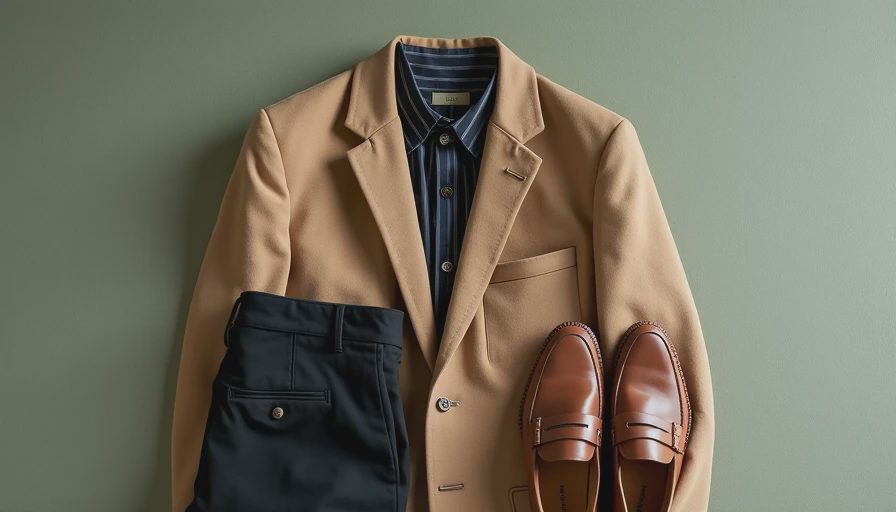
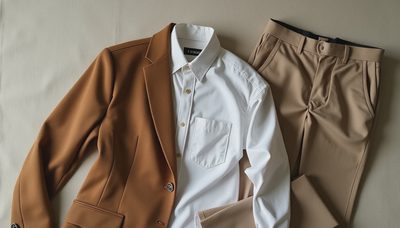
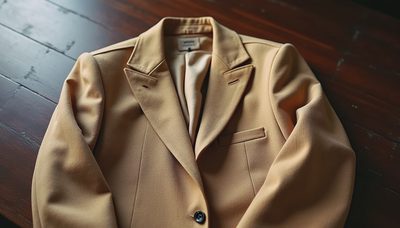
A perfectly broken-in camel wool blazer with beautiful notched lapels (pairs with everything)
Heavyweight striped cotton shirts that feel like pajamas but look polished
A pair of black straight-leg trousers with a touch of wool that drape beautifully
Simple leather loafers with just the right amount of patina
Each one passed all five rules. Each one has been worn multiple times already.
The Emotional Side of Thrifting
There’s something deeply satisfying about bringing home fewer things that feel chosen rather than accumulated. My closet feels calmer. Decision fatigue is lower. And I get genuine joy when I open the door and everything in it belongs.
Owen sometimes joins me on thrift hunts now. He’s learned to wait patiently while I’m quietly examining seams and fabric weight. He even teases me about my “serious face” when I’m in judgment mode. But he also appreciates when I come home with pieces he ends up complimenting weeks later.
Building Judgment Muscle
These rules get easier with practice. At first they feel restrictive. Eventually they become intuitive. You start sensing quality faster. Your hands learn what good construction feels like — reinforced seams, proper linings, thoughtful button placement, pattern matching at the shoulders.
The goal isn’t to become a thrift snob. It’s to stop bringing home things that will disappoint you later. Every piece I leave behind is one less thing cluttering my home and my mind.
Start Small If You’re New
If you’re just beginning to thrift with more intention, pick one rule to focus on first. Maybe it’s the fabric touch test. Or the “three things it goes with” check. Build the habit gradually.
Also, know your measurements. Keep a small card in your wallet with your key measurements (bust, waist, hips, inseam). It saves so much time and emotional energy.
Final Thoughts
Thrifting well isn’t about hunting for rare designer labels (though that’s a nice bonus when it happens). It’s about developing quiet confidence in your own judgment. It’s about leaving the store lighter — both in bags and in spirit — because you chose better.
The best things I find are often a little quiet on the rack. They don’t scream for attention. But once they’re home and styled with the rest of my collected wardrobe, they feel like they were always meant to be there.
If it only looks good under thrift store lighting, it’s not coming home with me.
That’s the standard I hold myself to now. And my closet — and my days — are better for it.
No comments yet — be the first to share a thought.