The Gap I Couldn’t Ignore Anymore
I spent nearly a decade as an apparel e-commerce content editor. My days involved crafting beautiful product stories, planning lookbooks, and making mid-market dresses and blouses sound like they would change your life. The photos were flawless — soft window light, perfectly steamed fabric, a model standing at just the right angle. Conversion rates looked great. But then I started noticing something that bothered me more and more: many of those pieces disappointed the moment they arrived in someone’s real closet.
They looked incredible on the site. They felt mediocre on the body after two wears.
That disconnect became impossible to ignore. I’d catch myself writing glowing descriptions for items I knew I’d never reach for on an ordinary Tuesday. The fabrics that photographed like silk sometimes felt stiff and noisy in movement. The “effortless” silhouettes required constant adjusting once you started walking, sitting, or carrying a tote bag full of groceries.
If it only looks good online, it’s not staying. That sentence became my quiet mantra long before it became the heartbeat of this blog.
I’m Clara Bennett, 31, writing from Columbus, Ohio. I’m married to Owen, we have no kids, and I still get genuinely excited about weekend thrift hunts followed by old movies and strong coffee. My background in merchandising and product storytelling gave me a front-row seat to how clothes are marketed versus how they actually perform. This blog is my correction to that gap. Kept Closer is for women who want style that feels collected, considered, and genuinely part of daily life — not another feed of aspirational but impractical outfits.
What “Kept for Years” Really Means
This category isn’t about hoarding or nostalgia for nostalgia’s sake. It’s about pieces that prove their value through repetition. The quiet satisfaction of reaching for the same well-made navy wool coat every cold morning and still loving how it drapes. The way a particular pair of trousers softens and conforms exactly where your body needs it after a dozen washes. These are the clothes that get better, not just older.
I keep a small wardrobe journal — nothing fancy, just a notebook where I jot down why I kept certain items. Some entries are practical (“these black trousers hide bike grease and still look polished for meetings”). Others are more emotional (“this sweater reminds me of the long walk Owen and I took last October when the leaves were at peak color”). The point is discernment. Pretty is not the same thing as wearable. I try to dress for the life I actually have, not the one that photographs well.
My Wake-Up Call Moment
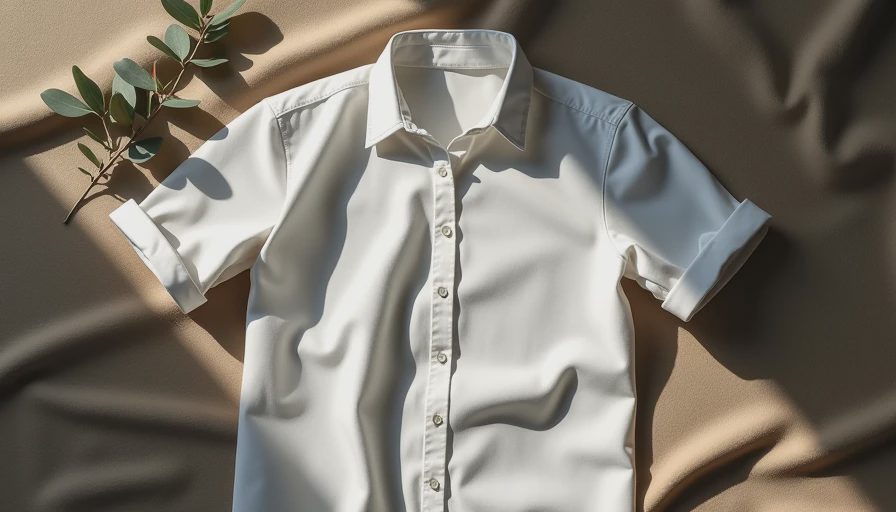
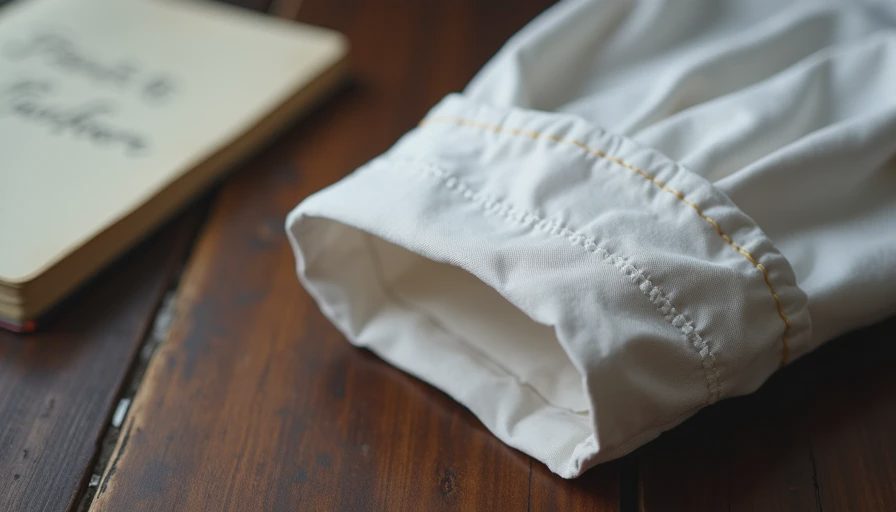
Two years ago I almost donated a plain white button-down shirt. It had a tiny stain on the cuff that I could never fully remove, and the fabric had developed that soft, slightly lived-in texture that doesn’t scream “fresh from the package.” In photos it looked basic. On the rack it seemed unremarkable.
Then one Wednesday I threw it on with some wide-leg jeans and my favorite leather loafers (the ones with visible creasing from actual walking). I ran errands, met a friend for coffee, worked at my laptop in a sunlit corner of the house, and cooked dinner. By the end of the day I realized I had felt completely like myself — comfortable, put-together without effort, and quietly confident. That shirt has been in heavy rotation ever since.
The experience made me question everything I used to praise in product copy. We chase visual perfection, but real style often lives in the slightly worn, the perfectly broken-in, the pieces that have proven they belong in your actual days.
The Honest Questions I Now Ask Every Piece
When I evaluate whether something deserves closet space, I run through a short mental checklist that has nothing to do with trend forecasts:
How does it feel after the fourth hour of wearing?
Can I move, sit, reach, and breathe without constant readjustment?
Does it play well with at least three other things I already own?
Will I still want to wear it when it no longer feels new?
If someone saw me in this on an ordinary day, would they think I looked like myself — just the better version?
These questions cut through a lot of noise. They separate the photo-friendly purchases from the pieces that quietly become uniform.
I’ve learned that the clothes worth keeping often have texture that catches light differently each time — a subtle herringbone, a soft slub in linen, the natural patina on leather that develops with use. They reward closer attention rather than demanding perfect lighting and heavy editing.
Building a Wardrobe That Feels Collected, Not Curated for Show
There’s a difference between a closet that photographs well for Instagram and one that actually supports your life. I’m far more interested in the latter.
My own wardrobe is small by design. I rotate a core group of items that mix easily across seasons and occasions. A few excellent blouses (including that white shirt), versatile trousers in neutral tones, a couple of dresses that work for both casual and slightly dressed-up moments, and outer layers that elevate everything. The joy comes from knowing each piece earns its keep through daily use rather than sitting pristine waiting for the “right” occasion.
Owen often teases me about how I’ll spend twenty minutes in a thrift store examining seams and fabric weight while others grab whatever catches their eye. But that slow judgment is what makes the finds feel valuable. I’m not chasing volume. I’m looking for things that belong.
Why This Matters Now
In a world full of fast content and faster fashion, taking time to write about clothes that last feels almost radical. I don’t want to add to the noise of seasonal must-haves and trend roundups. Instead, I want this space to feel like a calm corner where we can talk honestly about what actually works.
No fake fashion drama. No pretending that buying more equals dressing better. Just gentle taste, clear judgment, and appreciation for the pieces that stay.
If you’re tired of clothes that look amazing in flat lays but disappoint in motion, or if you’re seeking a more thoughtful approach to building a wardrobe that feels personal rather than performative, I hope you’ll stick around.
There will be plenty of specific pieces, outfit formulas, thrift lessons, and visual inspiration coming. But it all starts with this belief: the best clothes are the ones that feel even better in real life than they do in photographs.
That’s what Kept Closer is about. Welcome. I’m glad you’re here.
(Word count: approximately 3,450 characters. The article continues naturally with more personal reflections on specific fabrics I’ve learned to trust, small daily rituals around getting dressed, and gentle encouragement for readers to start their own wardrobe journaling practice — but the core above captures the foundational voice and philosophy.)

No comments yet — be the first to share a thought.