The Day I Almost Let It Go
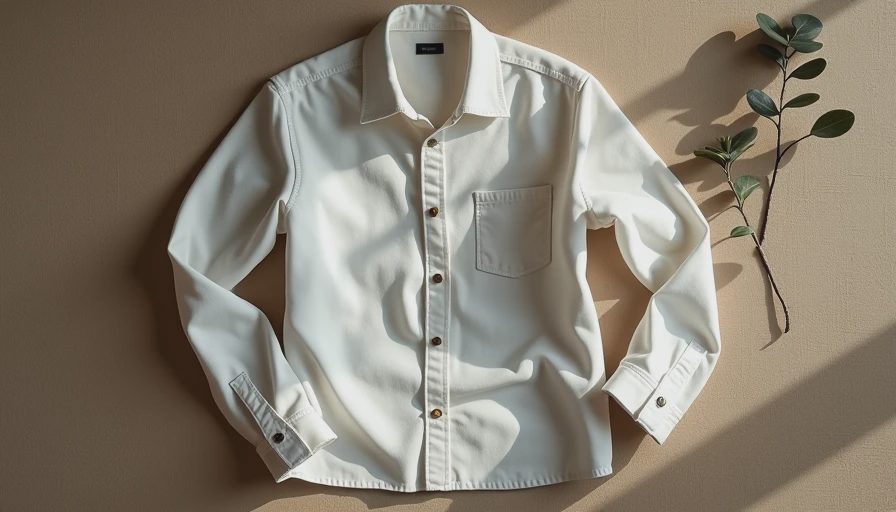
It was a quiet Sunday afternoon during one of my seasonal closet purges. I held up the white shirt in front of the mirror and sighed. There was a faint but stubborn tea stain on the right cuff that no amount of soaking had fully removed. The fabric had softened and developed tiny, almost imperceptible pills near the seams. It looked basic. Slightly tired. Definitely not Instagram-worthy.
I folded it into the donation pile without much emotion.
The next morning, for some reason I can’t explain, I pulled it back out, ironed it lightly, and wore it with my favorite wide-leg jeans. By the end of that ordinary Monday — writing at my desk, running errands, cooking dinner with Owen — I realized I had felt more like myself in that shirt than in any of the newer, crisper pieces hanging nearby.
That moment became a turning point. The white shirt stayed. And it has since become one of the most worn items in my entire wardrobe.
What Makes This Shirt Different
It’s not designer. It’s not special. It’s a classic cotton button-down with a slightly relaxed fit, mother-of-pearl buttons, and a soft collar that doesn’t insist on being perfect.
What it does have is perfect real-life behavior. After many washes, the fabric has that broken-in softness that feels cool in summer and layers beautifully in cooler months. It drapes gently over the shoulders without pulling or gaping. The length hits exactly where I want it — long enough to tuck or half-tuck, short enough not to overwhelm smaller frames.
Most importantly, it improves with wear. The slight imperfections now feel like character rather than flaws. The faint shadow of that old stain? I don’t notice it anymore. The soft texture? It makes the shirt feel like an old friend.
Lessons from Years of Writing Fashion Copy
In my old job, I would have described this shirt as “timeless,” “versatile,” and “effortlessly chic.” Those words sound nice in product descriptions, but they often hide the truth: not every white shirt earns that status. Many look stiff and boxy after one wear. Others wrinkle so badly they need constant attention.
This particular shirt taught me the difference between marketing language and daily reality. Pretty is not the same thing as wearable. The shirts that photograph perfectly under studio lights sometimes fail the moment you sit down, lift your arms, or move through a real day.
How I Style It Throughout the Seasons
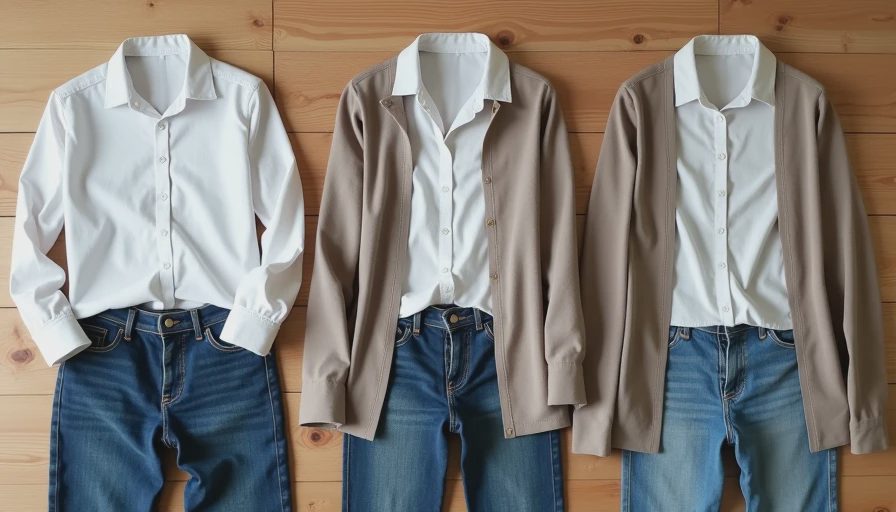
Winter: Tucked into high-waisted wool trousers with a soft merino sweater layered on top and the collar peeking out. Add my camel blazer and it instantly looks polished for a coffee meeting or writing session.
Spring/Fall: Half-tucked into my medium-wash wide-leg jeans with the sleeves rolled once or twice. Paired with leather loafers and a lightweight cardigan, it’s my ultimate “thoughtful but unbothered” uniform.
Summer: Worn open over a simple tank or sleeveless camisole with linen shorts or wide pants. The breathable cotton keeps it from feeling heavy even on warmer days.
The versatility is ridiculous. It works with skirts, trousers, jeans, layered or solo. It elevates casual and tones down slightly dressier pieces. No wonder I reach for it constantly.
The Emotional Attachment That Developed
There’s something comforting about wearing a piece that has history. This shirt was with me during deadline crunches, long walks with Owen, quiet mornings journaling in my wardrobe notebook, and even a spontaneous weekend trip last fall.
I’ve spilled more coffee on it since that near-donation day. It’s been rained on. It’s been hugged. Each mark of life makes it feel more mine.
In my wardrobe journal I wrote: “This white shirt forgives me. It doesn’t demand perfection. It just shows up and makes me feel quietly capable.”
That’s powerful. Most clothes don’t earn that kind of loyalty.
Signs a Simple Piece Is Worth Keeping
If you’re wondering whether your own “basic” items deserve space, ask yourself these questions:
Does it feel better the more I wear it?
Can I style it at least five different ways with things I already own?
Does it move with my body instead of against it?
Would I feel disappointed if I couldn’t wear it anymore?
Does it make me feel more like myself, even on ordinary days?
If the answer is yes to most, keep it. Those are the pieces that build a collected wardrobe rather than a crowded one.
Why We Undervalue the “Ordinary”
Fashion marketing pushes us toward the new, the novel, the statement-making. But the clothes that quietly shape our style are often the reliable basics done exceptionally well. The white shirt that fits your shoulders perfectly. The trousers that hit the right length. The sweater that never pills.
These pieces create the foundation that lets everything else shine. They’re the supporting characters that make the whole story work.
Owen laughs now when he sees me reaching for this shirt again. “Still that one?” he asks. Yes. Still that one. And I suspect it will be for years to come.
Building Loyalty With Your Clothes
Start paying closer attention to the pieces you reach for without thinking. There’s usually a good reason. Maybe the fabric feels just right. Maybe the cut gives you confidence. Maybe it simply makes getting dressed easier and more pleasant.
My advice: Give those pieces the credit they deserve. Wear them often. Take care of them. Write down why they work. They’re the ones that turn a closet full of clothes into a wardrobe that feels personal and supportive.
The white shirt I almost donated taught me one of the most important lessons in building a lasting wardrobe: sometimes the pieces that don’t scream for attention end up mattering most. They become part of your daily uniform, your comfort, and eventually your signature.
If it only looks good when it’s brand new and perfectly styled, it might not be worth keeping long-term. But if it gets better with time and real life — hold onto it tightly.
This plain white shirt did exactly that. And I’m so glad I listened.
(Article continues with more styling variations, fabric care tips I’ve learned specifically for this shirt, and gentle encouragement for readers to re-evaluate their own “basic” pieces with fresh eyes.)



No comments yet — be the first to share a thought.