Try Before You Buy Clothes: A Smarter Way to Build Your Wardrobe
I cannot tell you how many times I have ordered something online, been thrilled when it arrived, and then realized the fabric felt cheap or the cut was not right. That is why try before you buy clothes services have become such a valuable option for anyone who wants to shop with less guesswork and fewer returns. These programs let you pick out items, have them shipped to your home, and only pay for what you keep after trying them on in your own space.
Why Try Before You Buy Matters More Than Ever
Online shopping has made it easy to buy almost anything from a screen, but the return rate for apparel is high. Sizing inconsistencies, fabric that looks different in person, and colors that read warmer or cooler than photographs all contribute to a cycle of ordering, sending back, and hoping the next box works better. Try before you buy clothes flips that dynamic. Instead of risking your money upfront, you get to see how a piece behaves in your own light, how it moves with your body, and whether it actually works with the rest of your closet. It is a quieter, more intentional way to shop.
How Try Before You Buy Clothes Services Work
Most major retailers now offer some version of try before you buy. Amazon Prime Wardrobe (now called Prime Try Before You Buy) lets members select up to eight items, try them at home for a week, and return only what they do not want. Stitch Fix and similar styling services send a curated box based on your preferences, and you pay only for what you keep. Nordstrom Trunk Club offers a similar model with a personal stylist involved. The process removes the financial sting of buying something that does not work out. You charge nothing upfront, and you only pay after you have decided.
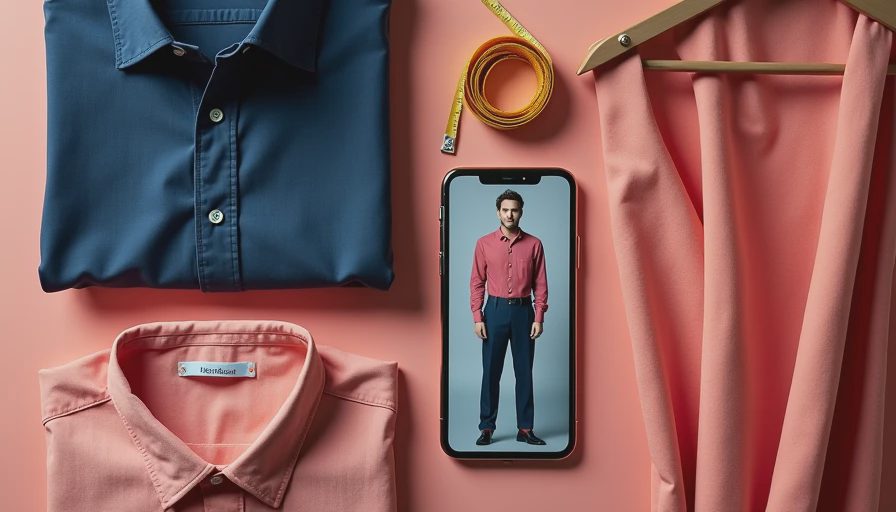
The Hidden Value of Seeing Clothes in Real Life
Photographs and product copy can make a sweater look like the coziest thing you have ever seen. But when it arrives, the sleeve might pull too tight, the hem might hit at an awkward spot, or the wool might feel scratchy instead of soft. Try before you buy clothes gives you a chance to evaluate these nuances without pressure. You can walk around your living room, sit down, raise your arms, and see if a garment restricts movement. You can hold it up to natural light and check the transparency. You can pair it with shoes and bags you already own to see if the outfit really comes together. That kind of real-world testing is something no online filter can replicate.
When Try Before You Buy Makes the Most Sense
I find these services especially useful for items that are tricky to size: jeans, blazers, structured dresses, and outerwear. Those are pieces where fit is everything, and a one-size-tweaks-vastly assumption can lead to disappointment. Try before you buy clothes also works well when you want to experiment with a new silhouette or color you are unsure about. Instead of committing to a trendy piece that might sit unworn in your closet, you can test it for a few days and see if it feels like you. For seasonal transitions, like swapping from summer dresses to fall layers, trying options at home helps you figure out what actually fills a gap in your wardrobe.

A Few Cautions (Because Not Everything Deserves to Stay)
The convenience of try before you buy clothes can create its own trap if you order too much and keep too little out of obligation. I have seen friends fall into the habit of ordering a big box every week, trying things on, and sending most back. It turns shopping into a logistical chore instead of a considered choice. And there is an environmental cost to all that shipping, even if returns are free. I set a personal rule: I only order from a try-before-you-buy service when I have a genuine need, not when I am browsing for entertainment. I also give myself permission to return everything if nothing feels right. That keeps the process honest.
My Personal Try-Before-You-Buy Routine
When I use a service like Prime Try Before You Buy, I start by adding pieces I have been eyeing for a while—nothing impulsive. I aim for five or six items that serve different purposes: a blazer, a pair of trousers, a knit top, maybe a dress. When the box arrives, I try everything on over two days. Day one is about first impressions: does it fit, does the color suit me, is the fabric comfortable. Day two is about real life: I wear a potential keeper around the house while cooking, reading, or doing laundry. If a piece survives that test, it usually earns a place in my closet. If it only looks good in the mirror and not in my actual day, I send it back. That is the quiet judgment try before you buy clothes makes possible—and honestly, it has saved me from owning a lot of things that would have become just another hanger filler.


No comments yet — be the first to share a thought.