If you’ve ever tried to order a dress from a British brand while living in the US, you know the sinking feeling when you guess wrong on american and uk sizes clothes. A UK size 10 might be a US 6—or a US 8, depending on the brand. The numbers look similar, but they rarely mean the same thing. I’ve been burned enough times that I now treat size charts like a map I need to read before I travel. Here’s what I’ve learned about making cross-Atlantic shopping feel less like a gamble.
Why Sizes Differ Between the US and UK
The short answer is that clothing sizing evolved independently in each country, with no global standard enforcing consistency. In the US, women’s sizing is loosely based on bust, waist, and hip measurements taken in inches, but manufacturers adjust those numbers to fit their target customer. UK sizing traditionally follows a similar logic but uses slightly different base measurements. A UK size 12, for example, typically corresponds to a US size 8, but that conversion can shift by one size in either direction depending on the brand’s fit model. Vintage sizing is another layer—if you’re thrifting a 1970s British coat, expect a much tighter cut than a modern equivalent. The most reliable approach is to ignore the number and go straight to the brand’s specific size chart, which almost always lists both US and UK equivalents. But even that isn’t foolproof, because how a garment is cut (straight, fitted, oversized) changes how the number lands on your body.
Common Size Conversions for Women
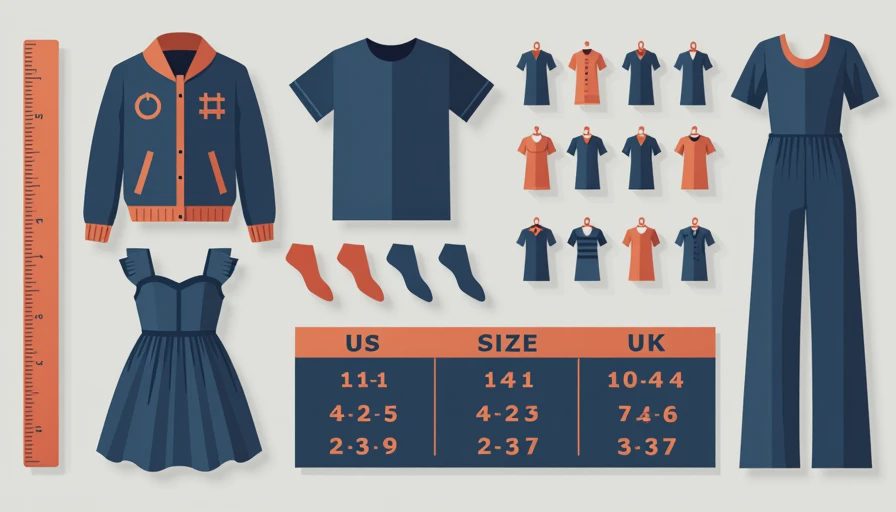
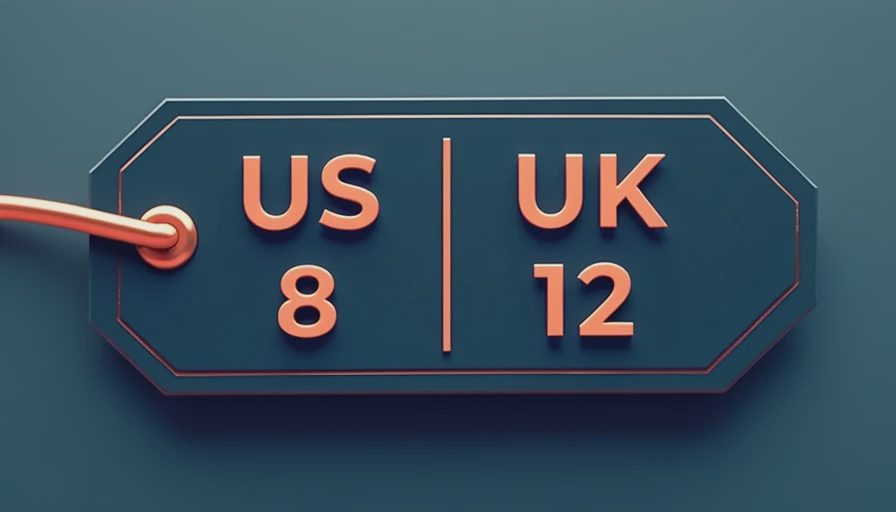
In general, US women’s sizes are two numbers larger than UK sizes. So a US 4 is roughly a UK 8, US 6 is UK 10, US 8 is UK 12, and so on up the scale. For example, a woman who wears a US 10 in Levi’s jeans might order a UK 14 from a London-based denim brand. But this rule bends with stretch fabrics—a UK 12 in a ponte-knit dress could easily fit someone who normally wears a US 8 in woven cotton. I keep a mental note of how each brand’s garments behave: Topshop’s jeans run true to the conversion, but their blazers sometimes skew one size smaller. ASOS, which carries both US and UK sizes, is a good training ground because they list the conversion right on the product page. It’s also worth remembering that UK sizes for petite and plus categories follow the same numeric offset, but the proportion changes—a UK petite 8 is shorter in the torso than its US equivalent.
Shopping Tips for Buying Across the Atlantic
When I shop from a UK brand online, I always check three things before clicking “add to cart”: the size chart with measurements in inches and centimeters, customer reviews that mention how the item fits relative to US sizes, and the return policy. Many British retailers charge a flat fee for returns or don’t include a prepaid label, so a wrong guess can cost you $10–15 in shipping alone. Brands like Marks & Spencer include a helpful “fit note” on many items, and I’ve found their size conversions to be consistently accurate. Another trick is to look for items that have a waist or hip measurement in the product description—if it lists a 26-inch waist for a UK 10 dress, I know that will match my US 6 waist more reliably than a generic size chart. And if I’m really uncertain, I order two sizes and plan to return the one that doesn’t fit. It feels wasteful, but it’s often cheaper than paying return shipping twice.
How to Avoid Fit Disappointments
The best way to avoid confusion with american and uk sizes clothes is to take your own measurements and compare them to the garment’s listed flat measurements. Lay out a piece you already own that fits well, measure its chest, waist, hip, and length, and then compare that to the online listing. If the brand provides garment measurements, you’re golden—you can decide with 90% accuracy. If they only give body measurements, subtract an inch or two for ease (fitted clothes need less ease, loose styles need more). Another thing I’ve learned: read the reviews for phrases like “size down if you’re between sizes” or “runs large compared to US sizing.” That kind of real-world intel is worth more than any conversion chart. And if you’re thrifting a piece from the UK—say, a vintage Burberry trench—remember that older sizes are often even smaller, so go up by one more than the modern conversion would suggest. A 1950s UK 10 could be a US 4 or even a 2.
Trust Your Judgment, Not the Number
At the end of the day, the label inside a piece of clothing is a starting point, not a verdict. Two dresses marked “US 6 / UK 10” from different brands can feel completely different on the body. The goal isn’t to force your shape into a number—it’s to find the cut that flatters you. By learning the basic conversion for american and uk sizes clothes, shopping overseas becomes less intimidating and more like a familiar conversation. Keep a note in your phone of your measurements in both inches and centimeters, and don’t be afraid to pass on something that feels off just because it says the “right” size. The best wardrobe decisions come from knowing what actually works, not from matching a label.




No comments yet — be the first to share a thought.