The Pretty Purchase Trap
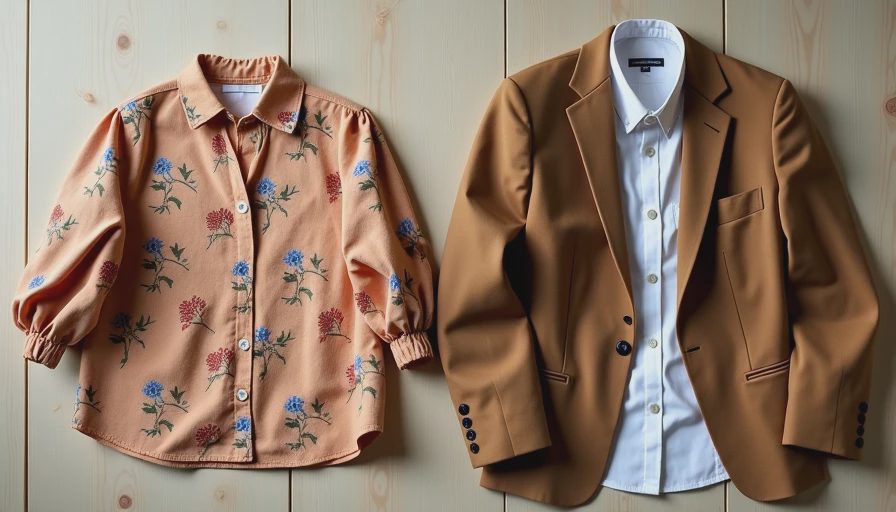
I still remember buying a beautiful floral blouse during a sale. It photographed wonderfully, the colors were vibrant, and it felt like a fresh addition to my wardrobe. I wore it twice. Then it hung in my closet untouched for months before I finally let it go.
That blouse was a pretty purchase. It looked good in the moment but didn’t survive real life. Over the years, I’ve gotten better at spotting the difference between items that seduce in the store (or online) and pieces that become true wardrobe residents.
This distinction sits at the heart of Kept Closer. It’s not about buying less for the sake of minimalism. It’s about learning to recognize what deserves to stay.
How Pretty Purchases Behave
Pretty purchases usually have these traits in common:
They rely heavily on novelty — bold prints, trendy silhouettes, or colors that feel exciting but don’t mix easily with the rest of your wardrobe.
They look better standing still than moving through your day.
They require special care or specific styling to look right.
After the initial excitement fades, you find yourself reaching for the same old reliable pieces instead.
The floral blouse was pretty. It didn’t have the fabric weight or versatility to earn repeated wears. It solved no real problem in my daily life.
What Makes a Lasting Piece
Lasting pieces tend to share quieter but more powerful qualities:
Fabric that improves with time. Soft, substantial cotton that gets softer, wool that drapes better after wearing, linen that develops character.
Versatility that compounds. They pair effortlessly with multiple items you already own and wear often.
Comfort that feels invisible. You forget you’re wearing them because they move with you instead of against you.
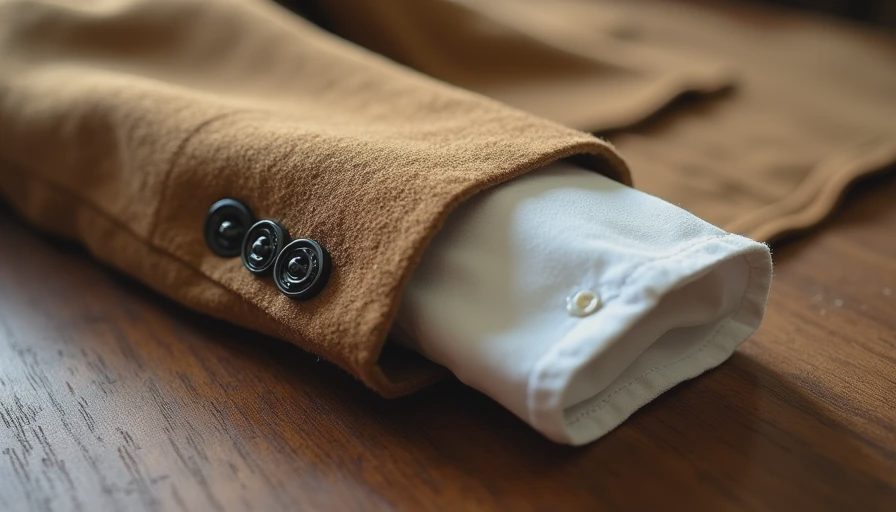
Subtle character over loud statements. They reward closer attention — beautiful stitching, perfect shoulder fit, thoughtful button placement.
My white button-down, the camel wool blazer, and my favorite wide-leg jeans all fall into this category. They weren’t the most exciting things I bought, but they became the ones I depend on.
The Questions I Ask Before Buying or Keeping
I now run every potential purchase through this mental checklist:
Will I reach for this on an ordinary Wednesday? If it only feels right for special occasions, it’s probably a pretty purchase.
Does it work with at least five things I already own? True lasting pieces expand your existing wardrobe rather than demanding new companions.
How does it feel after four hours of wear? Sitting, walking, driving, cooking. This is where many pretty purchases fail.
Would I buy this again if I saw it in a year? Lasting pieces often feel like they were always meant to be mine.
Does it have texture, weight, or construction that feels substantial? Cheap or trendy pieces often feel flimsy once you hold them.
Real Examples from My Closet
Pretty Purchase (that didn’t last): A trendy puff-sleeve dress in a bright color. Looked amazing in photos. Wore it once to a party. Never reached for it again because it was fussy and didn’t match my real life.
Lasting Piece: The camel wool blazer I found thrifting. It wasn’t love at first sight, but it passed every test. Two years later, it’s still one of my most-worn items. It elevates jeans, dresses, and trousers equally well.
Pretty Purchase: A silky slip skirt that constantly needed adjusting.
Lasting Piece: My taupe midi linen-cotton dress that I wear constantly because it moves beautifully and layers effortlessly.
The Emotional Difference
Pretty purchases often bring short-term dopamine. Lasting pieces bring quiet, long-term satisfaction. There’s a deep comfort in opening your closet and knowing almost everything in it belongs there.
Owen has watched this evolution in my shopping habits. He used to see me come home excited about new finds that later sat unused. Now he sees me come home with fewer bags but far more genuine joy when I actually wear the pieces.
How to Shift From Pretty to Lasting
Slow down in the moment. Give yourself a 24-hour cooling-off period before buying.
Shop your closet first. Many lasting pieces are already hanging there waiting to be rediscovered.
Trust repetition. The clothes you wear most are telling you what works.
Document wins. My wardrobe journal helps me see patterns in what actually lasts.
Be honest about your life. Dress for the days you actually have, not the fantasy version.
The Quiet Confidence of a Lasting Wardrobe
When most of your clothes are lasting pieces, getting dressed becomes easier and more joyful. There’s less decision fatigue and more trust in your own judgment.
This is what I want for every reader here: a closet filled with pieces that feel collected rather than accumulated. Clothes that get better with time and wear. Pieces that feel like old friends instead of temporary guests.
If it only looks good in the store or in perfect lighting, it’s probably a pretty purchase. But if it feels right in motion, mixes seamlessly with your real life, and still makes you smile on the tenth wear — that’s a lasting piece worth keeping closer.
The difference isn’t always obvious at first. But with practice, your eye (and hands) learn to recognize it. And once you do, your wardrobe becomes something deeply personal and quietly powerful.
That’s the kind of style I believe in.

No comments yet — be the first to share a thought.