The Dress Dilemma I Used to Have
I once had a closet full of dresses that looked beautiful on the hanger but rarely made it onto my body. They were too short for bending down, too tight after lunch, too delicate for real days, or simply didn’t mix with the rest of my wardrobe.
After years of editing lookbooks and writing product stories, I developed a clearer, stricter process for deciding which dresses stay. This isn’t about minimalism for its own sake — it’s about making space for the ones that truly belong in a lived-in, thoughtful wardrobe.
My Five-Point Decision Framework
When I’m considering keeping or buying a dress, I run it through these questions. If it doesn’t pass most of them, it doesn’t get closet space.
1. Fabric Reality Test
I bunch the fabric in my fist and release. Does it spring back or hold deep wrinkles? Good dresses use fabrics with natural memory — mid-weight cotton, soft linen blends, lightweight wool crepe, or quality jersey with recovery.
Thin, slippery synthetics that cling or static-cling are usually out. I want fabric that drapes beautifully but doesn’t require constant smoothing. The dress should feel pleasant against skin for hours, not just five minutes in the fitting room.
2. Movement and Function
I walk, sit, reach for books on a high shelf, and bend down as if picking up groceries. Does the dress ride up, pull across the shoulders, or restrict breathing?
A dress deserves space only if it supports real movement. I prefer midi lengths with subtle flare or gentle A-line shapes that allow easy walking and sitting. Anything too tight, too short, or too voluminous that catches wind gets rejected.
3. Versatility Score
Can I style this dress at least four different ways with pieces I already own?
With a cardigan or blazer for cooler days
With leather loafers for everyday errands
Layered under a coat in winter
With sandals or sneakers for casual moments
If it only works as a standalone “special occasion” piece, it rarely stays. The best dresses in my closet are chameleons — they shift from thoughtful Wednesday wear to weekend coffee walks effortlessly.
4. Repeat Wear Potential
Would I happily wear this dress at least once every two weeks during its season?
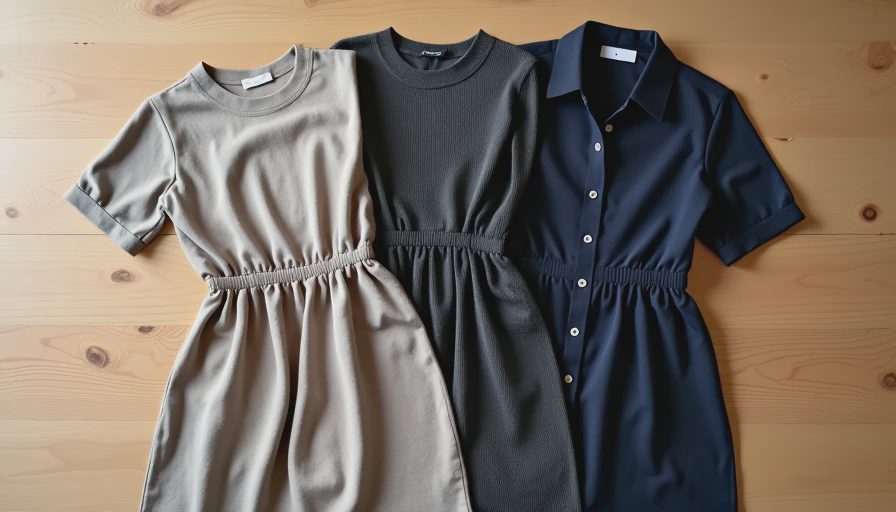
I keep a mental (and sometimes written) note of how often I actually reach for pieces. Dresses that pass this test feel like old friends rather than occasional guests. My current favorites include a soft taupe linen blend midi and a charcoal merino knit dress that I wear on rotation all season long.
5. The “Future Me” Check
Will I still want to wear this when it’s no longer new? Does it have character that improves with age — beautiful seams, thoughtful details, or fabric that develops a lovely patina?
The Dresses That Made the Cut

Right now, three dresses consistently earn their space:
A relaxed midi in warm taupe linen-cotton with subtle texture and side slits for movement. It pairs with my white shirt open as a layer, my camel blazer, or simple knits.
A soft charcoal knit dress with gentle ribbing that feels like pajamas but looks polished with loafers and a belt.
A classic navy shirtdress in breathable cotton that buttons fully and works belted or loose.
Each one passed all five points. Each one gets worn regularly and still makes me feel like myself.
What I Let Go (And Why)
The floral maxi that tangled around my legs when walking? Gone.
The stiff satin cocktail dress that only looked good standing still? Donated.
The trendy puff-sleeve mini that required shapewear and constant adjusting? Never again.
Letting them go created breathing room for better pieces. My closet feels calmer and more useful now.
The Emotional Side of Keeping Dresses
Dresses carry a certain romance. They can make an ordinary day feel softer and more feminine. But that romance only lasts when the dress respects your actual body and life.
Owen has noticed I’m happier and more confident on days I wear a good dress. Not because it’s fancy, but because it feels right — comfortable enough to forget I’m wearing it, pretty enough to remember why I love getting dressed.
In my wardrobe journal I often note: “This dress understands my days.” That’s the highest compliment I can give.
Practical Tips for Building Your Own Dress Edit
Take photos of yourself wearing the dress in motion (sitting, walking, reaching). Be honest about what you see.
Try it on during a normal day at home before deciding.
Consider your climate. Ohio seasons demand versatility.
Prioritize good construction: reinforced seams, proper hems, quality zippers or buttons.
Start with neutrals and textures rather than bold prints if you want maximum wear.
The Bigger Philosophy
A dress deserves closet space when it solves problems instead of creating them. When it makes getting dressed easier, not more complicated. When it feels even better on the tenth wear than the first.
This selective approach means I own fewer dresses, but the ones I keep are genuinely loved and used. They become part of my uniform rather than aspirational pieces waiting for the perfect occasion.
If it only looks good standing perfectly still in perfect lighting, it’s not staying. But if it moves with me, feels like an extension of myself, and earns repeated wears across real days — it gets to stay for years.
That’s how I protect my closet space now. And my days are better for it.


No comments yet — be the first to share a thought.