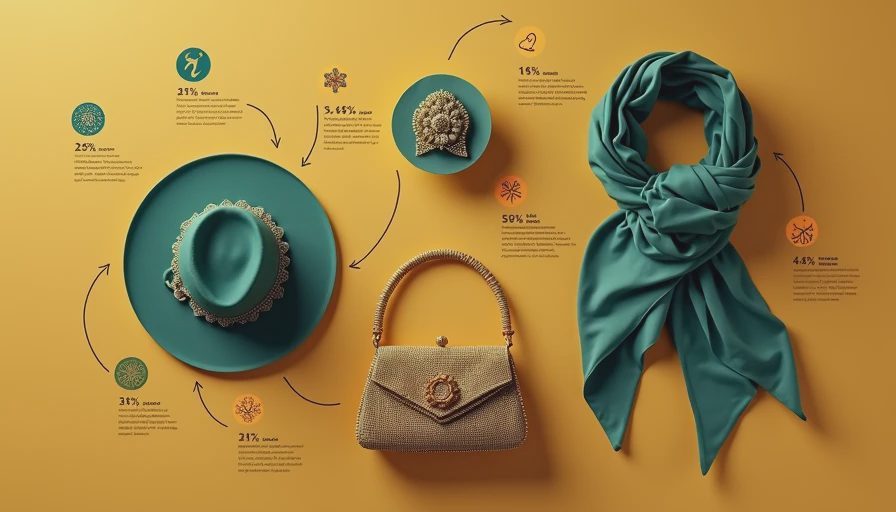
If you've been curious about what is vintage outfit, you're not alone. The term gets thrown around a lot in fashion circles, but its real meaning is simpler than you might think. A vintage outfit refers to clothing that is at least twenty years old and represents the style of a specific era. Unlike mass-produced fast fashion, vintage pieces carry history, unique construction, and a character that can't be replicated. But knowing the definition is just the beginning—the real question is how to wear these pieces in a way that feels authentic to you.
What Defines a Vintage Outfit?
The word “vintage” is often used interchangeably with “retro” or “secondhand,” but in the fashion world, it has a strict definition. A garment is considered vintage if it was made between 20 and 100 years ago. Anything older falls into antique territory. So when someone talks about a vintage outfit, they mean an ensemble composed of pieces from a previous decade—a 1970s blouse, a 1960s skirt, or even an entire look from the 1980s. What makes a vintage outfit special is not just its age but its quality. Many vintage pieces were constructed with techniques and materials that are rare today: sturdy seams, natural fibers like silk and wool, and thoughtful details like covered buttons or hand-stitched finishing. The fit also differs. Clothing from past decades was cut for different body shapes and undergarments. Trying on is essential because sizes have shifted over time. A size 8 from the 1950s is not the same as a size 8 today. Understanding this helps you appreciate why vintage feels different from modern fast fashion.
Why Vintage Clothing Has a Different Feel
One of the first things you notice when you put together a vintage outfit is the fabric. Vintage textiles—like high-twist cotton, silk crepe de chine, or wool gabardine—drape and move in ways that modern blends often don't. The prints are bolder, the colors more saturated, and the construction often includes details that manufacturers skip today to cut costs. But there's also the visual difference. Shoulder pads, high waists, A-lines—vintage silhouettes are distinct. When you wear a vintage outfit, you're not just wearing clothes; you're wearing a piece of textile history. That can feel empowering. However, it can also feel overwhelming if you don't know how to style it. That's why balance is key.
How to Build a Vintage Outfit for Today
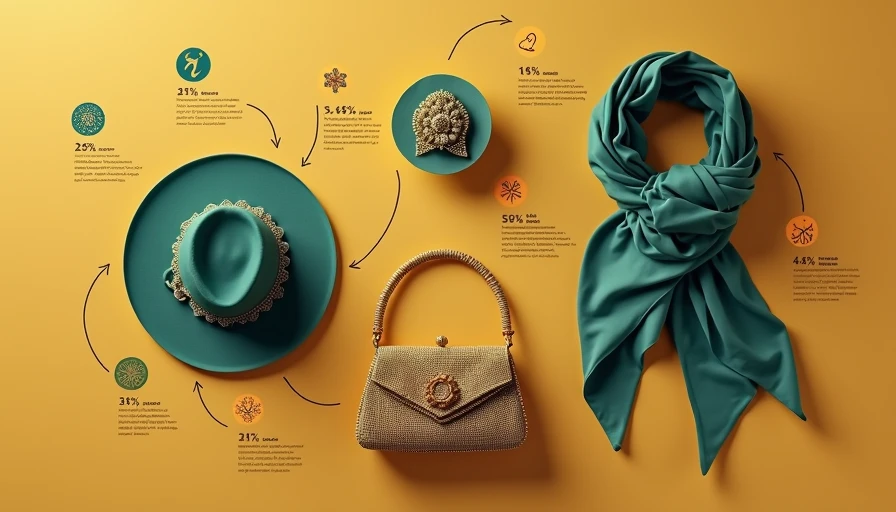
The trick to making a vintage outfit work in daily life is to avoid looking costumed. Start with one vintage piece as the anchor—a skirt, a blazer, or a blouse—and build the rest of your outfit with modern basics. For example, pair a 1970s plaid blazer with simple jeans and a white tee. Or wear a 1960s shift dress with contemporary sneakers instead of period heels. Another tip: pay attention to silhouette. If your vintage piece has a strong shape, keep the rest of your outfit minimal to let it stand out. Fabric care is also crucial. Many vintage items require hand washing or dry cleaning. If that feels like too much, start with pieces in sturdy materials like denim or cotton. Understanding what is vintage outfit helps you choose pieces that align with your lifestyle, not just your Instagram feed.
Common Mistakes to Avoid
When you're new to curating a vintage outfit, it's easy to fall into a few traps. One is overdoing it. Wearing head-to-toe vintage from the same era can look like a costume. Mix eras or add modern accessories to keep it current. Another mistake is ignoring fit. Don't buy a piece just because it's old—it has to flatter your body. Tailoring can help, but not every piece is worth the expense. Finally, don't neglect fabric quality. Check for holes, stains, or weak seams. A truly vintage outfit should feel special, not fragile.

Where to Find Authentic Vintage Pieces
Building a vintage outfit doesn't require a big budget. Thrift stores are the most accessible starting point. Look for labels, fabric tags, and construction clues to gauge age. Estate sales can yield incredible finds, especially for accessories. Online platforms like Etsy, Depop, and Vinted have huge selections, but be meticulous about measurements and ask for photos of labels. My favorite approach is to visit local shops in smaller towns or stick to neighborhoods with a thrifting culture. The hunt is part of the joy. Knowing what is vintage outfit also helps you evaluate pieces while thrifting—you can spot true vintage versus retro reproductions.
Embracing the Vintage Mindset
Understanding what is vintage outfit opens the door to more intentional dressing. It's not about chasing trends or wearing clothes that look old. It's about choosing pieces with history, quality, and personality. Whether you go for a full vintage outfit or just one standout piece, the goal is to wear what feels true to you. That's the difference between costume and character.
Caring for Your Vintage Outfit: Quick Tips
Once you've found your perfect vintage outfit, proper care is essential to keep it looking its best. Here are answers to common questions about vintage garment maintenance.
**Can I machine wash a vintage piece?** Not usually. Most vintage fabrics are delicate—silk, rayon, wool—and machine washing can cause shrinkage, color bleeding, or fabric distortion. Always check the care label, but when in doubt, hand wash in cold water with a mild detergent or take it to a dry cleaner who specializes in vintage clothing.
**How do I remove odors from vintage clothes?** Vintage items often smell musty from storage. Try hanging the piece in fresh air or using a fabric-safe odor eliminator. A mixture of equal parts water and vodka in a spray bottle can neutralize smells without damaging the fabric. Test on an inconspicuous area first.
**Should I repair minor damage myself?** Small tasks like replacing a button or fixing a loose hem are safe to do at home. But for major repairs—replacing zippers, mending tears, or reweaving holes—seek a professional tailor or restorer. A poorly done repair can ruin the garment's value and appearance.
**How do I store vintage pieces?** Use padded hangers for structured items like blazers and dresses; fold knits and delicate fabrics to avoid stretching. Keep storage areas cool and dry, away from direct sunlight. Mothballs can leave strong odors, so consider cedar blocks or lavender sachets instead.
By following these care tips, your vintage outfit can last for years and remain a statement piece in your wardrobe.


No comments yet — be the first to share a thought.