The Day the Connection Clicked
I was sitting in our living room one quiet morning, coffee in hand, looking around at the space Owen and I have slowly built. Warm oak floors, a mix of inherited furniture, linen curtains that move gently with the breeze, books stacked thoughtfully, and a carefully edited collection of ceramics and textiles. Nothing matches perfectly, but everything feels like it belongs.
That’s when it hit me: the principles that make our apartment feel calm and collected are exactly the same ones that make a wardrobe feel good. Restraint, texture, repetition, and intentional choices. Our home became one of my greatest style teachers.
Lesson 1: Negative Space Matters
In our apartment, we leave room for the eye to rest. Not every surface is styled. Not every wall has art. That breathing room makes the objects we do love stand out more.
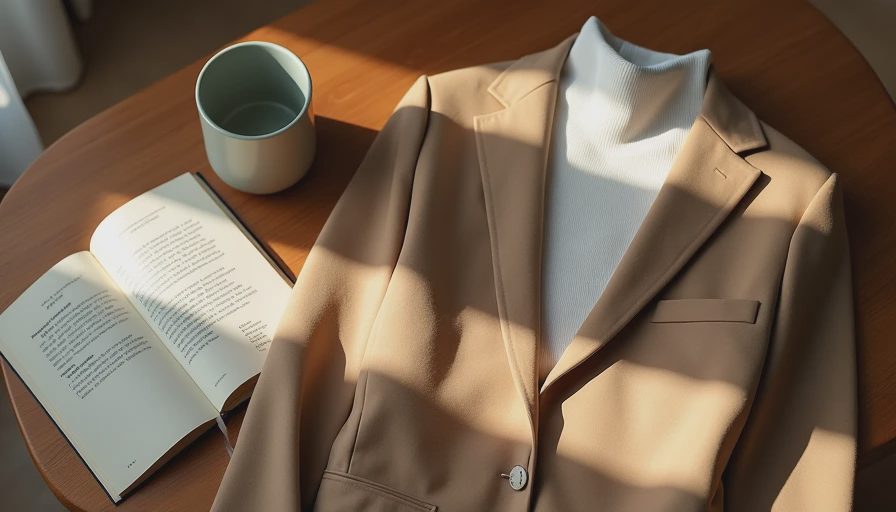
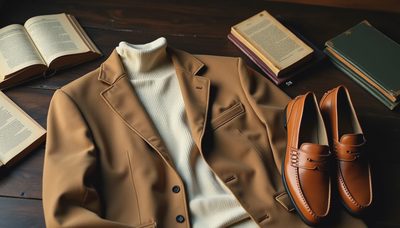
The same applies to dressing. When I stopped trying to fill every outfit with accessories, patterns, or trendy details, my clothes started to breathe. A simple white button-down with wide-leg jeans and loafers suddenly looks more intentional. The camel blazer has more presence when it’s not competing with a loud scarf, statement necklace, and bold shoes all at once.
Restraint creates quiet elegance.
Lesson 2: Texture Creates Depth
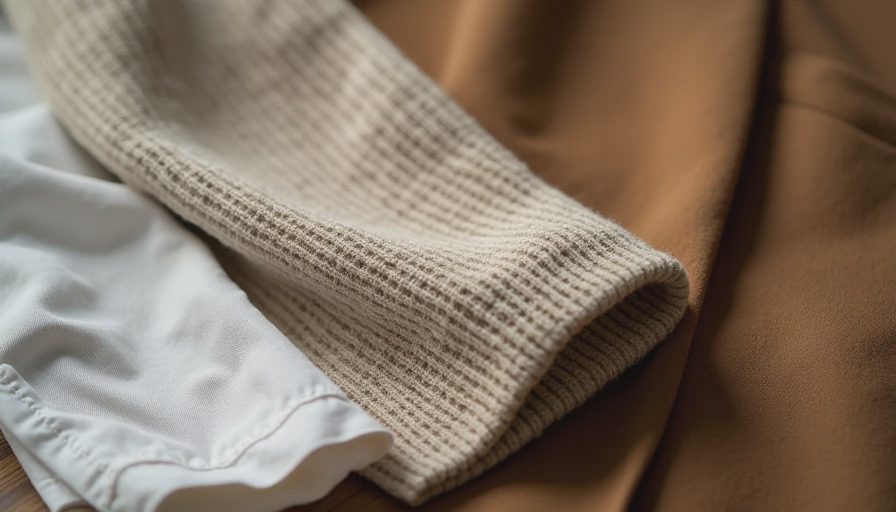
Our living room has smooth oak, nubby linen, soft wool throws, and matte ceramics. The interplay of textures makes the space feel rich without needing color or pattern.
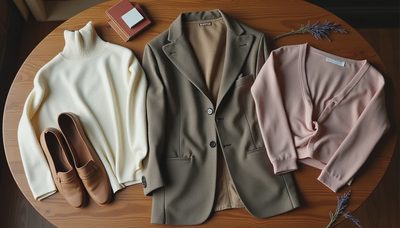
My wardrobe follows the same rule. I now prioritize texture over color:
The soft hand of merino against crisp cotton
Structured wool blazer over flowing linen
Smooth leather loafers with textured knitwear
These combinations create visual interest that feels far more sophisticated than any print ever could. A monochrome outfit with varied textures looks expensive and personal.
Lesson 3: Repetition Builds Harmony
In our home, we repeat materials and tones — warm woods, soft neutrals, certain shades of cream and taupe. This repetition creates cohesion.
I apply the same to clothes. I own multiple white and oat button-downs, several good merino knits, and a few perfect pairs of wide-leg trousers. Repeating trusted pieces and palettes makes the whole wardrobe feel more harmonious. Getting dressed becomes easier because everything plays well together.
Lesson 4: Quality Over Quantity
We chose fewer, better pieces for our apartment. A solid oak table we’ll keep forever instead of trendy fast furniture. The same logic transformed my closet. I’d rather have one excellent camel wool blazer than three “okay” jackets.
The apartment taught me to ask: “Does this deserve to live here long-term?” I now ask the same of every clothing item.
Lesson 5: Light and How Things Age
The way natural light moves through our windows throughout the day taught me to appreciate how fabrics catch light differently — the soft glow on wool, the crispness of cotton, the gentle drape of linen.
It also showed me the beauty of gentle aging. Scratched wooden tables gain character. Well-made clothes develop beautiful patina. That slightly worn white shirt I almost donated? It looks better now than when it was new.
How This Changes My Daily Dressing
When I get dressed now, I often think of our apartment:
Is this outfit calm and collected, or is it visually noisy?
Does it have enough texture and contrast to feel interesting?
Would these pieces look good together in the same room as my furniture?
This mental filter has reduced decision fatigue and increased daily satisfaction. My outfits feel more like an extension of the life I’ve built rather than a performance.
Owen says our home and my style feel like they belong to the same person now. That’s the highest compliment.
Practical Ways to Apply Interior Lessons to Your Wardrobe
Edit ruthlessly. Clear visual clutter in both your home and closet.
Build around a core palette. Let your favorite home tones guide your clothing colors.
Mix textures intentionally. Use your furniture as inspiration.
Repeat what works. Invest in multiples of pieces you love.
Prioritize how things feel. Comfort and quality matter as much in clothes as in your living environment.
The Deeper Connection
Our homes and our clothes both tell the story of how we want to live. When they speak the same language — restraint, texture, quality, and soul — life feels more cohesive and peaceful.
The apartment doesn’t chase trends. It collects meaningful things that improve with time. My wardrobe is learning to do the same.
If it only looks good when perfectly staged but creates chaos in real life, it’s not staying. Whether it’s a piece of furniture or an article of clothing.
The quiet lessons from our everyday surroundings often teach us the most about style. Sometimes the best inspiration isn’t on a runway or Pinterest board — it’s right where you live.
No comments yet — be the first to share a thought.