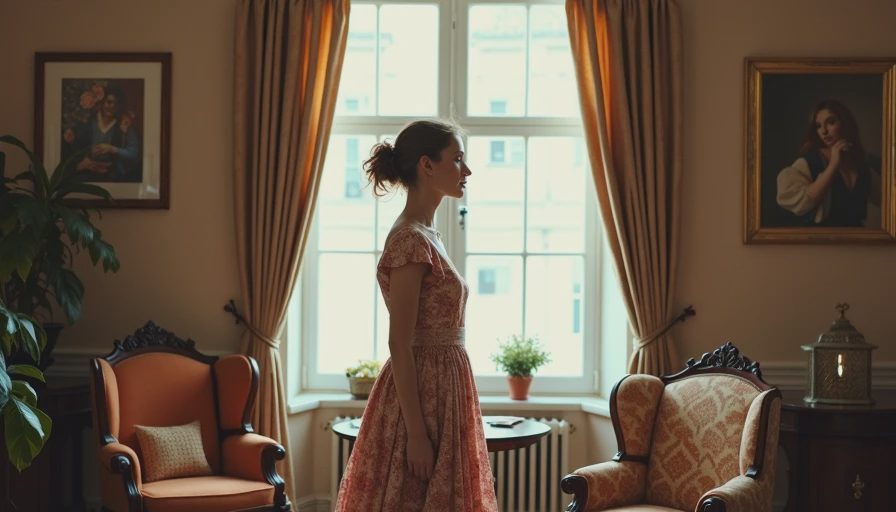
I’ve always believed that a vintage outfit for women tells a better story than something fresh off the rack. There’s a reason that 1950s silk slip or a 1980s wool blazer still exists—someone took care of it, and it earned its place. But the real magic is not just the age; it’s how you put it together. A successful **vintage outfit for women** doesn’t look like you’re wearing a costume. It looks like you have taste.
If you’re new to building a vintage wardrobe, start with the idea that vintage should serve your life, not the other way around. I have a closet full of pieces I’ve kept for years—some true vintage, some just inspired by it—and the ones that work are the ones I can wear without thinking too hard. Here’s how I approach it.
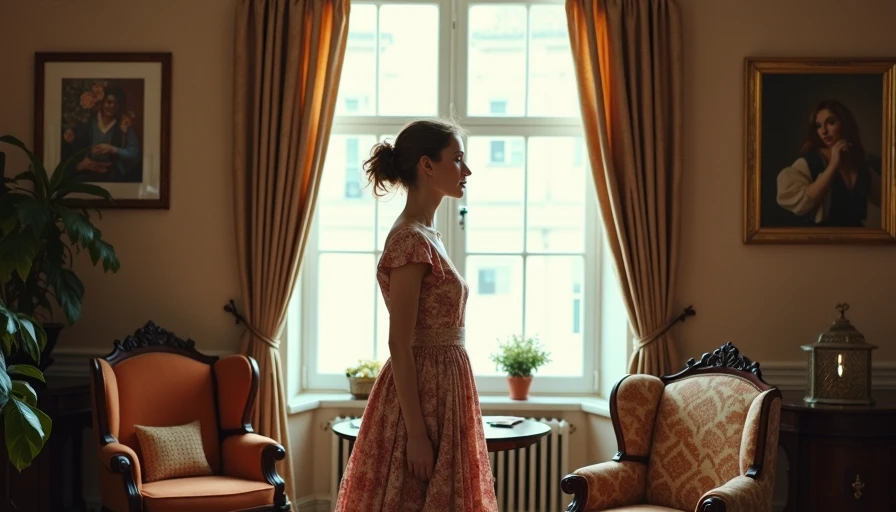
Why Vintage? The Appeal of Wearing the Past
Vintage clothing offers something that modern fast fashion rarely does: fabric that feels substantial, cuts that flatter real bodies, and a sense of history. When I wear a 1970s silk blouse, I’m not just wearing a shirt—I’m wearing a piece of someone else’s story. And because those clothes were made to last, they often still have life left. A well-made vintage piece can outlast ten new tops from the mall.
But the real draw is the uniqueness. A **vintage outfit for women** doesn’t look like everyone else’s. That’s rare these days. When shopping in thrift stores or online vintage shops, you develop an eye for what’s special: a hand-stitched hem, a fabric that breathes, a cut that feels like it was made for you. That’s the kind of clothing that earns a permanent spot in your wardrobe.
Key Pieces for a Vintage Outfit for Women
To build a versatile **vintage outfit for women**, start with a few foundational pieces that mix easily with modern basics. Here are my go-tos:
- **High-waisted trousers** – Look for wool or cotton twill from the 1940s or 1970s. They fit well with a tucked-in tee or blouse.
- **A silk blouse** – Vintage silk has a drape that newer synthetics can’t replicate. Check for stains and weak seams.
- **A cardigan** – Cashmere or lambswool, worn or unbuttoned, adds instant depth. Try to find one with mother-of-pearl buttons.
- **Denim from the 1980s or 1990s** – Original Levi’s or Wranglers have a thicker weave than current jeans. High-waisted and straight-leg are most wearable.
- **A simple dress** – A 1960s shift or a 1970s prairie dress can be dressed up or down. Preferably in a solid color or small print.
These pieces become the backbone. Once you have them, you can build countless outfits. A friend of mine once found a 1970s Harris Tweed blazer for $15—now it’s the most-complimented item in her closet. That’s the kind of find that makes a vintage outfit feel like a win.

Where to Find Your Vintage Outfit
You don’t need to spend a fortune. The best places for a **vintage outfit for women** are often the most ordinary: local thrift stores, estate sales, and online marketplaces like Etsy or Depop. I rarely look in curated vintage boutiques because the prices are too high, and the selection is edited to look a certain way. I’d rather dig through racks and find something that’s been overlooked.
Here’s what I look for:
- **Labels** – High-end labels like Anne Klein, Ralph Lauren, or Pendleton from the 1970s-1990s are often well-made and undervalued.
- **Fabric content** – Natural fibers (cotton, silk, wool, linen) age better than synthetics. A polyester dress from the 1970s might still look new, but it won’t breathe.
- **Condition** – Skip anything with permanent stains, large holes, or broken zippers unless you’re an expert at mending. Small flaws are fine if you can fix them easily.
I also keep a list of my own measurements—bust, waist, hips, and shoulder width—because vintage sizes vary wildly. A size 8 in the 1950s fits more like a modern 4 or 6, so try on or check garment measurements carefully.
How to Style a Vintage Outfit for Women So It Feels Current
The key to wearing vintage without looking dated is balance. Pair a vintage piece with something modern and minimalist. For example, wear a 1940s silk blouse with straight-leg jeans and simple leather sandals. Or layer a vintage cardigan over a white T-shirt and modern trousers. The contrast keeps the outfit grounded.
Accessories are also important. Vintage jewelry—like a single brooch or a pair of 1970s hoop earrings—can add personality without overwhelming the look. But don’t go full vintage head-to-toe unless you’re going to a specific event. One or two pieces do the work.
I also pay attention to fit. Vintage clothes were often cut closer to the body, so I’m not afraid to have a piece tailored. A $20 blazer that feels two sizes too big might cost $30 to alter—and then it fits like it was made for you. That’s still cheaper than a new blazer of similar quality.
Final Thoughts: The Best Vintage Outfit for Women Is the One You Actually Wear
If it only looks good online, it’s not staying. That’s my rule. A **vintage outfit for women** should feel like something you reach for on a regular Tuesday, not just for special occasions. When you find that piece that fits well, feels good, and makes you feel like yourself, that’s when vintage becomes more than a trend—it becomes part of your style.
Start small. Maybe a vintage silk blouse or a pair of high-waisted denim. Wear it with what you already own. See how it feels. If it earns its keep, keep looking for more. That’s how a wardrobe becomes a collection of stories, not just clothes.
No comments yet — be the first to share a thought.